
You are standing in the tile aisle at Home Depot holding a bottle of Miracle Sealants 511 Impregnator, doing the math. Thirty to sixty dollars, an afternoon of your time, and maybe your grout stops looking terrible. We get asked about this exact product almost every week in Chandler, Gilbert, Mesa, and Paradise Valley, so here is the honest answer from a company that seals floors for a living: 511 is a legitimately good sealer, it is not marketing fluff, and it still will not do the job most homeowners are buying it to do.
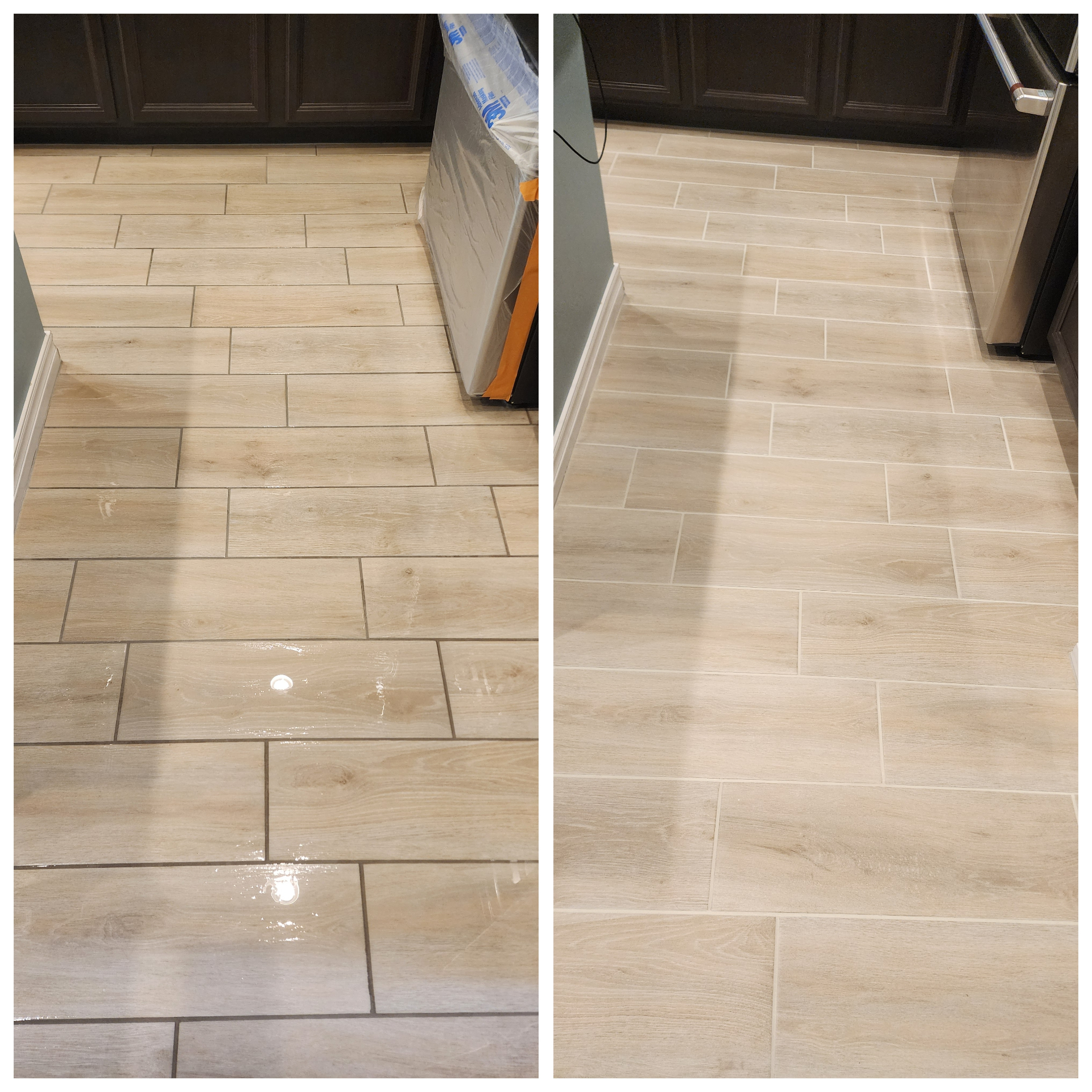
The confusion is not your fault. The label says sealer. Your grout is dirty. It reads like a match. But there are two completely different categories of product being described by the same word, and the difference decides whether your afternoon of work pays off or disappears in six months.
What Miracle Sealants 511 actually is
511 Impregnator is a penetrating, solvent-carried, breathable impregnating sealer. It soaks below the surface of porous material and leaves a hydrophobic and oleophobic residue inside the pore structure. It does not build a film on top, it does not add shine, and it does not change color. Applied correctly to clean, dry, sound stone or grout, it buys you response time: a spill beads and sits instead of instantly wicking in, so you can wipe it up before it stains.
- It is clear. It cannot hide, even out, or correct existing discoloration.
- It is a stain resistor, not a stain blocker. Given enough dwell time, red wine, oil, and iron will still stain.
- It offers no protection against acid etching. Vinegar, citrus, and many bathroom cleaners will still dull travertine and marble through the sealer.
- It is consumable. In Arizona traffic and sun exposure it typically needs reapplication every one to three years, sooner in showers and entryways.
- It only works on porous substrates. On dense porcelain it mostly does nothing except sit on the surface and haze if you leave excess behind.
If your grout and stone are already the color you want them to be, and you simply want spill insurance, DIY 511 is a reasonable purchase. That is the narrow case where it genuinely wins.
The three reasons DIY sealing fails in Arizona homes
Almost every failed DIY sealing job we are called in to correct fails for one of three reasons, and none of them are the sealer's fault.
First, the surface was not clean enough. A penetrating sealer locks in whatever is already in the pore. Mopping and a hand brush remove the top fraction of a millimeter of soil. Everything deeper stays, and now it is sealed in place permanently. This is the single most common outcome: homeowners seal their dirt in and then cannot get it back out without mechanical or chemical intervention.
Second, the grout was not sound. Arizona grout goes powdery and pinholed from a combination of high evaporation rates during install, hard water, and years of acidic cleaners. Sealer poured over a crumbling joint has nothing to bond into. It disappears into the void and the joint keeps shedding.
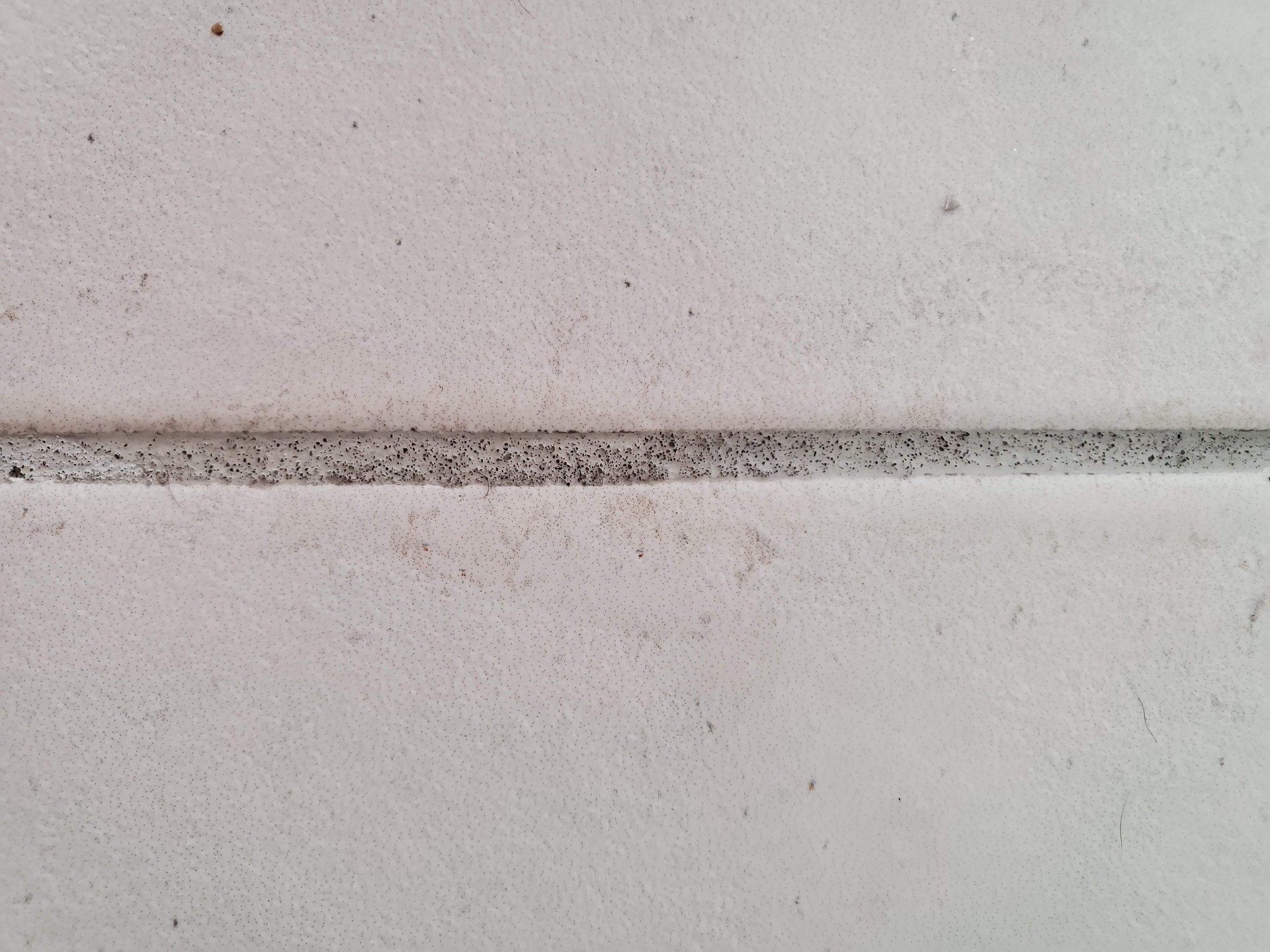
Third, the problem was never porosity to begin with. If your grout is blotchy, bleached in patches, or permanently darkened, that is discoloration inside the cement. A clear sealer over uneven color gives you sealed uneven color. If your travertine is chalky and flat, that is acid etching and micro-scratching, which is a physical loss of surface. Sealer cannot restore a finish that no longer exists.
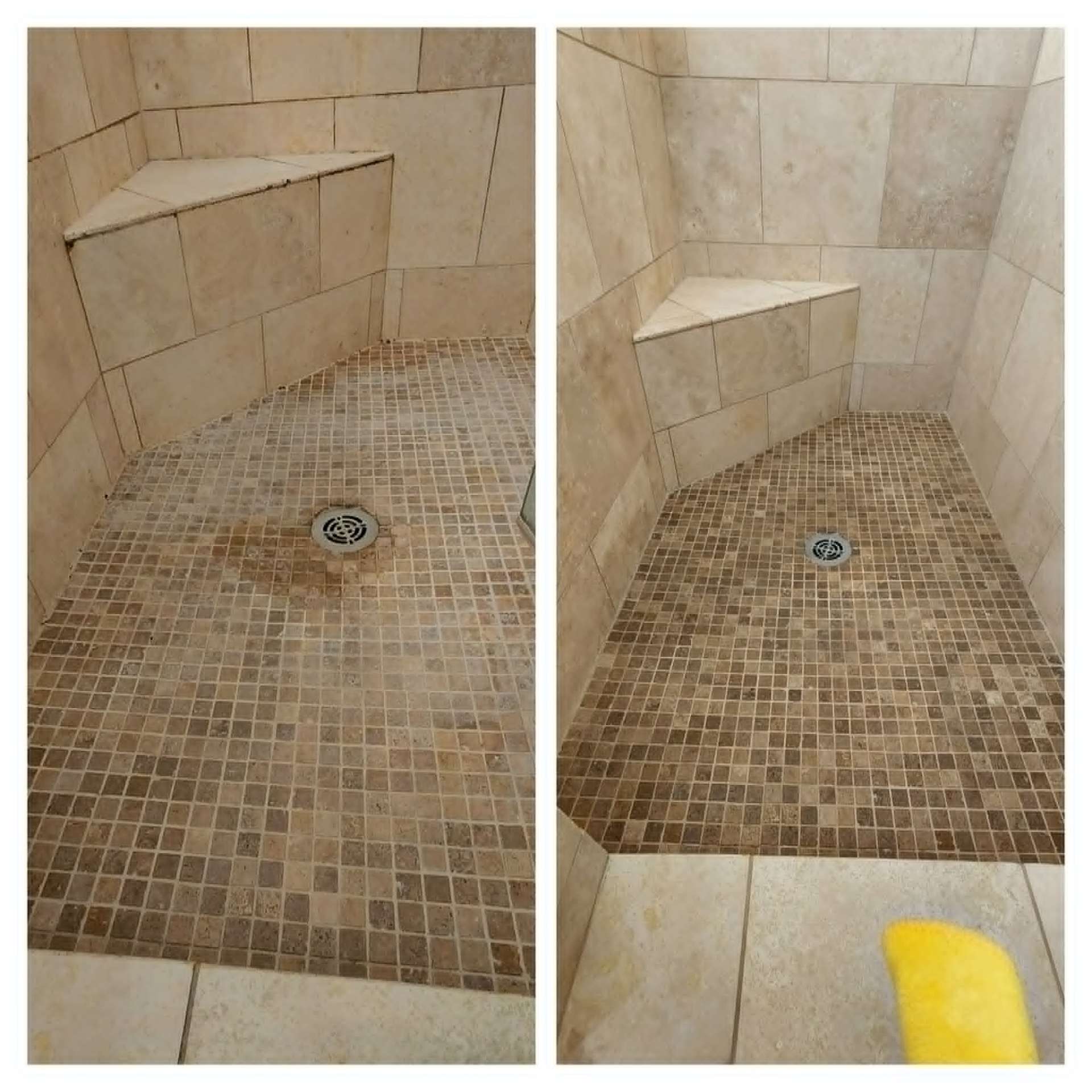
DIY 511 vs. professional grout color sealing
| DIY 511 Impregnator | Professional Color Sealing | |
|---|---|---|
| What it does | Penetrates and repels water and oil | Bonds a pigmented, breathable coating over the joint |
| Fixes existing stains | No, it is clear | Yes, it restores one uniform color |
| Grout repair included | No | Yes, joints are repaired before coating |
| Deep cleaning first | Up to you and your brush | Hot water extraction under controlled pressure |
| Color change option | None | Choose from 40+ colors, or match existing |
| Reapplication | Every 1 to 3 years | Never seal again, backed by our 15-Year Warranty |
| Typical cost | $30 to $60 plus your weekend | From $1.00/sqft cleaning, color sealing priced per linear foot |
That last row is the whole argument. A penetrating sealer is a subscription you pay in weekends. Color sealing is a terminal fix: the joint is repaired, flushed, and then capped with pigment that becomes the wear surface. There is nothing porous left exposed to stain, which is why we can put a 15-Year Warranty behind it and call it our Never Seal Again guarantee.
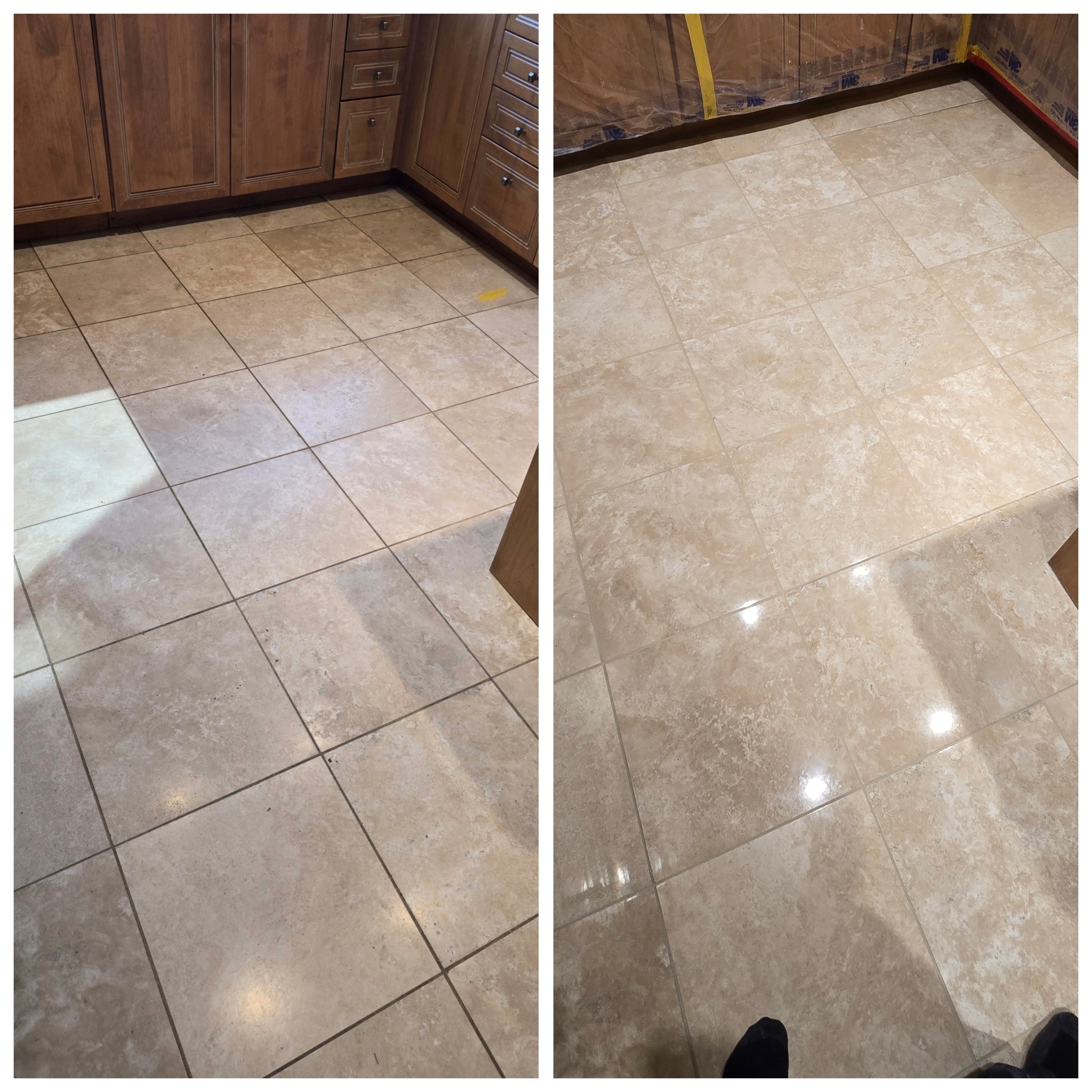
If you are going to DIY it anyway, do it right
We would rather you succeed than waste the money. If your grout is already the color you want and the joints are solid, this is the sequence that actually works.
- Deep clean with a neutral pH or alkaline tile cleaner and a stiff grout brush, then rinse repeatedly with clean water until no haze remains. Never use vinegar or acidic cleaners on cement grout or natural stone.
- Let the floor dry fully. In Arizona summer that means 24 hours indoors with air moving, longer in a shower.
- Test 511 in a closet or under an appliance first. On some dense or dark stone it can darken the tone permanently.
- Apply with a small applicator directly to the joint, not flooded across the tile. Work in sections you can manage in a few minutes.
- Wipe every trace of excess off the tile face within the window on the label. Dried excess leaves a hazy film that is genuinely hard to remove from textured porcelain.
- Ventilate. It is solvent based, so open windows and run fans, and keep pets and kids out of the area while it cures.
- Water-drop test the joint after 24 hours. If water darkens the grout instead of beading, the pore was not clean or dry and the seal did not take.
Do not seal grout you plan to have professionally color sealed later. A penetrating sealer occupies the pore structure that a pigmented color seal needs to bond into, and it has to be stripped first. That adds labor and cost to the job you were trying to avoid.
Why we took a restorative approach instead of cleaning only
We started out cleaning floors, showers, and counters, and we watched the same houses call us back on the same cycle. Cleaning alone leaves the pores wide open. Clear sealers, including good ones like 511, wear off. Permanently stained cement never came back to uniform no matter how aggressively we flushed it. So we changed the model: repair the joint, restore the color and the finish, then preserve it with a coating that becomes the wear layer. That is why every grout color sealing job we perform carries the Never Seal Again guarantee and a 15-Year Warranty rather than an invitation to book again next spring.
The honest decision rule
- Grout and stone already look the way you want, you just want spill insurance: buy 511 and follow the steps above.
- Grout is blotchy, darkened, bleached, or you want a different color: color sealing, not a clear sealer.
- Grout is powdery, pinholed, cracked, or missing: repair first, then seal. Sealer on failing grout is money spent twice.
- Travertine, marble, or limestone looks dull, chalky, or etched: honing and polishing, then an impregnating sealer as the final step.
- Hard water scale layered on shower glass and stone: descaling and mechanical correction. No sealer removes existing scale.
Not sure which line you are on? Send us photos and we will tell you plainly, including when the answer is that a bottle from Home Depot is genuinely all you need. Text or upload a few shots of your floor, shower, or counter through our $150 consultation page and a Lazona specialist replies with a virtual estimate and honest pricing within 24 hours. For published starting prices, tile and grout cleaning starts at $1.00 per square foot, natural stone polishing runs $2 to $15 per square foot depending on stone and condition, and countertop restoration starts at $1,000. Related reading: grout color sealing vs. regular sealing and our tile contractor vs. tile restoration guide.