
Tile & Stone Repair Services in Arizona
Professional repair solutions for hollow tiles, stone cracks, debonded installations, baseboard caulking, and concrete damage. Preserve your investment and prevent costly replacements.
At Lazona Tile Care, we specialize in restoring damaged tile and stone installations to their original condition. From re-bonding hollow tiles before they crack to sealing baseboards against moisture and pests, our repair services extend the life of your flooring and protect your property.
Repairs start at a $1,500 minimum day rate, no exclusions. Every repair situation is unique, so we quote from there based on the extent of damage, repair method required, and material needs.
Quick Answer
How much does tile and stone repair cost in Arizona?
Tile and stone repair in Arizona starts at a $1,500 minimum day rate with no exclusions. That covers replacing cracked or hollow tiles, rebuilding eroded grout joints, waterproofing baseboards and toe kicks, and filling chips in travertine or marble, so the floor is re-solidified before any cleaning or color sealing is done.
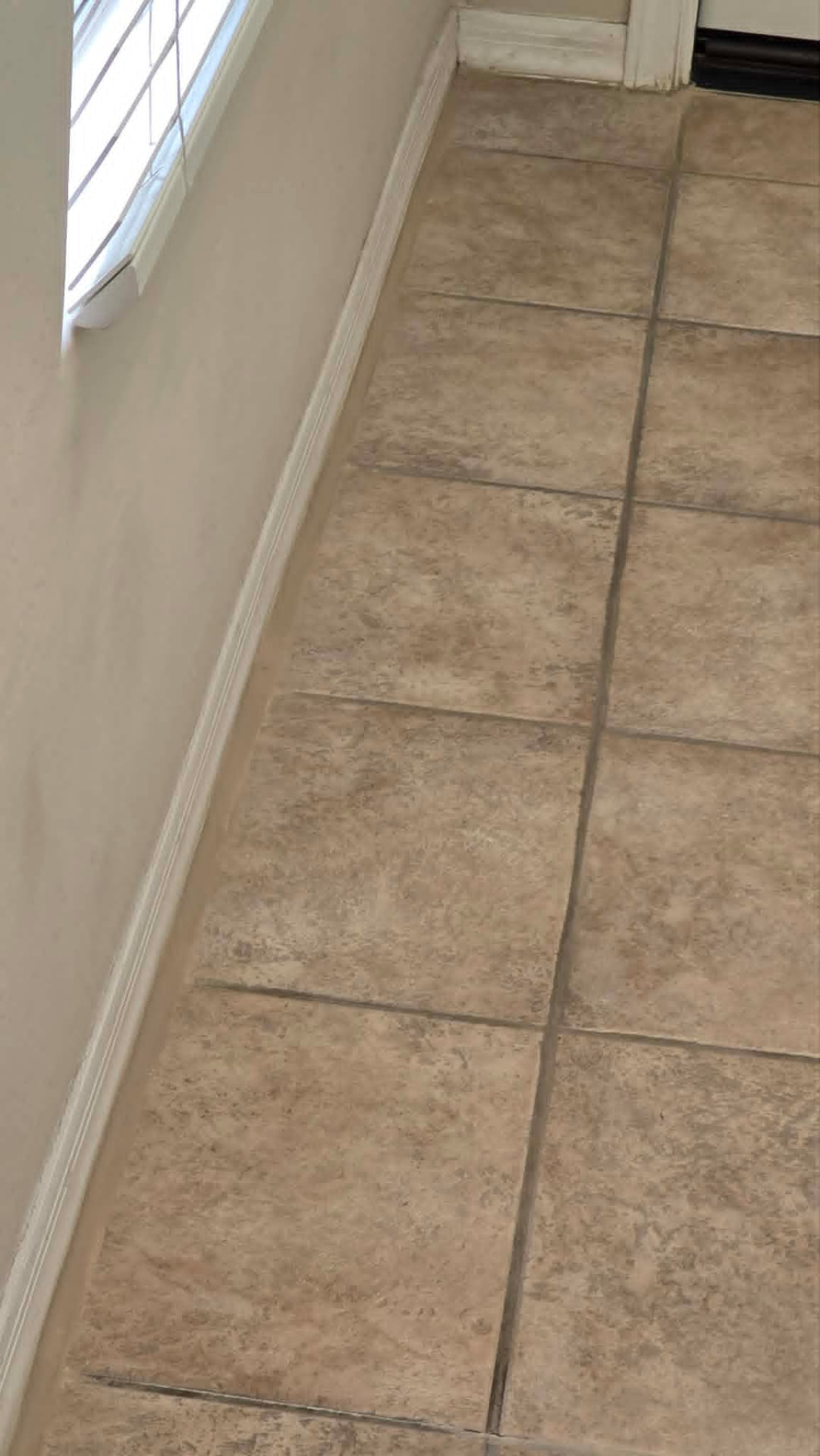
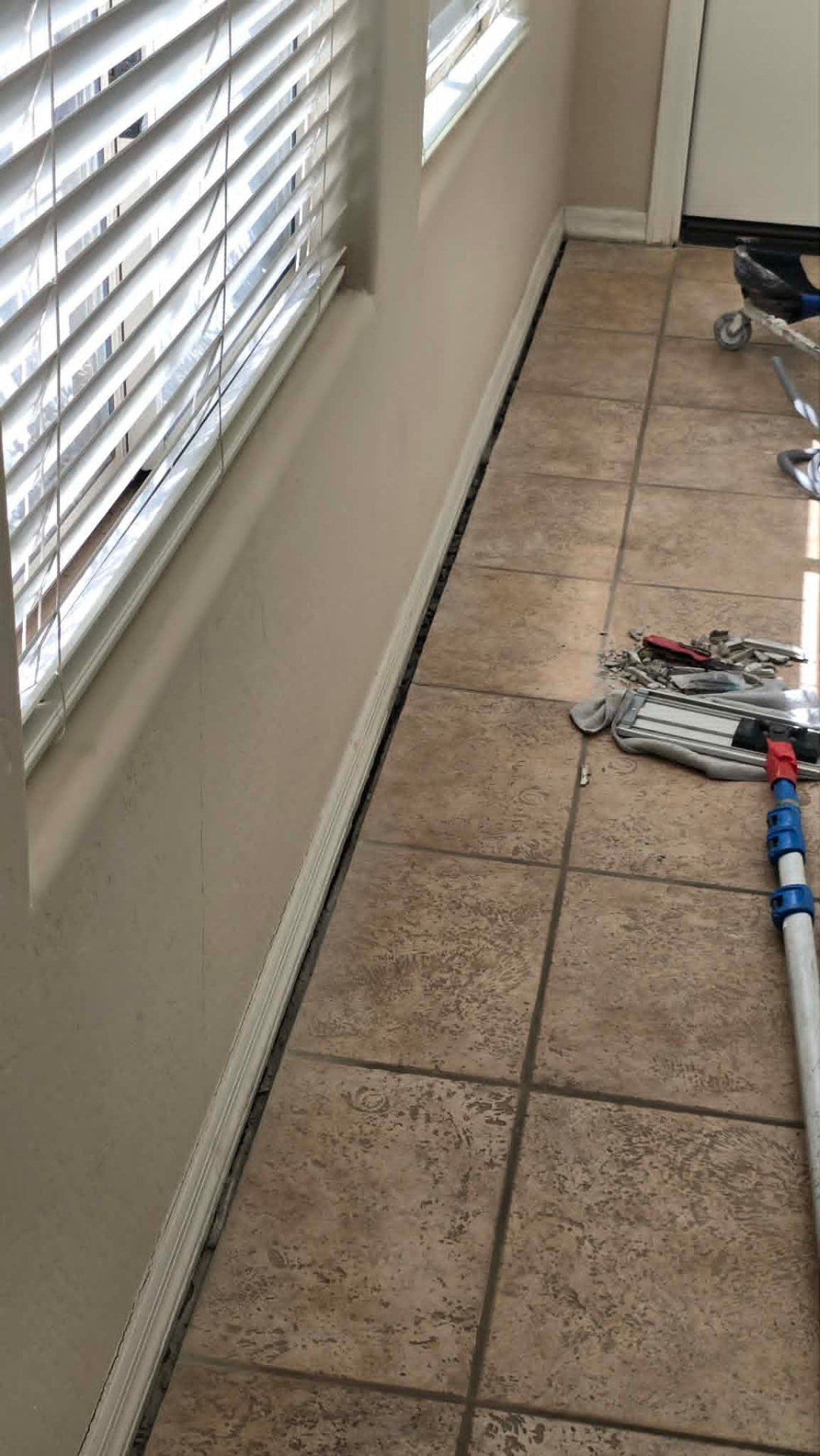
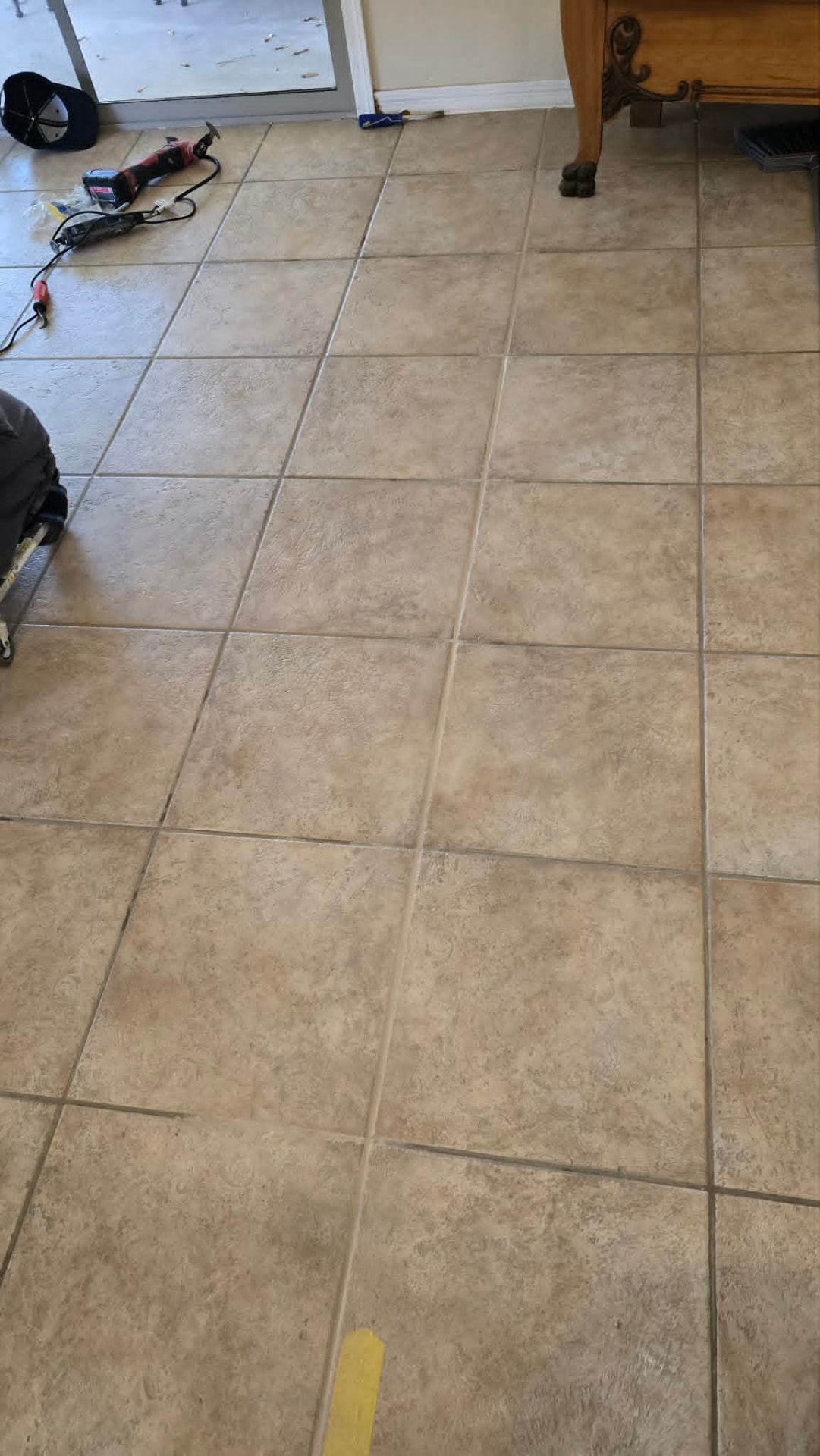
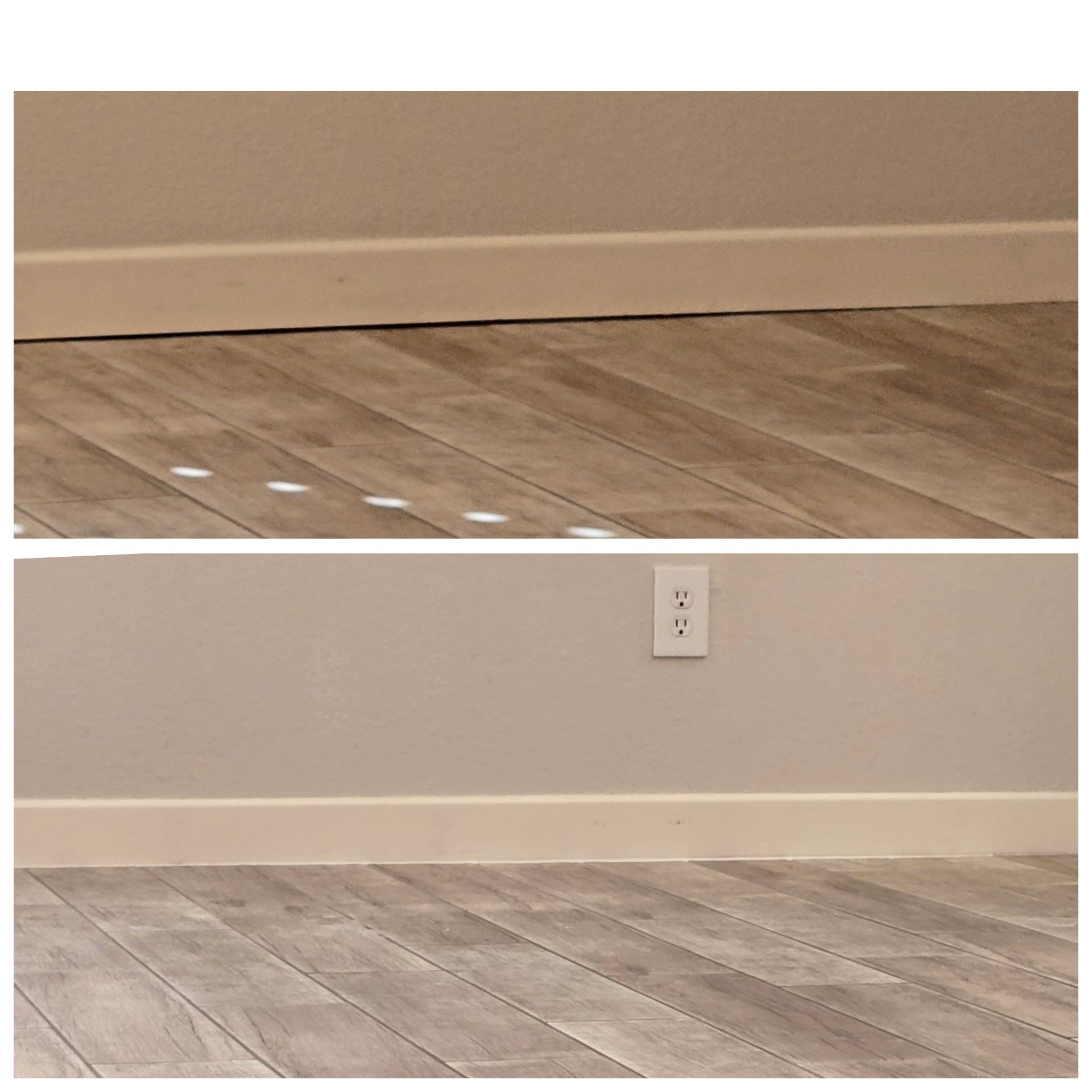
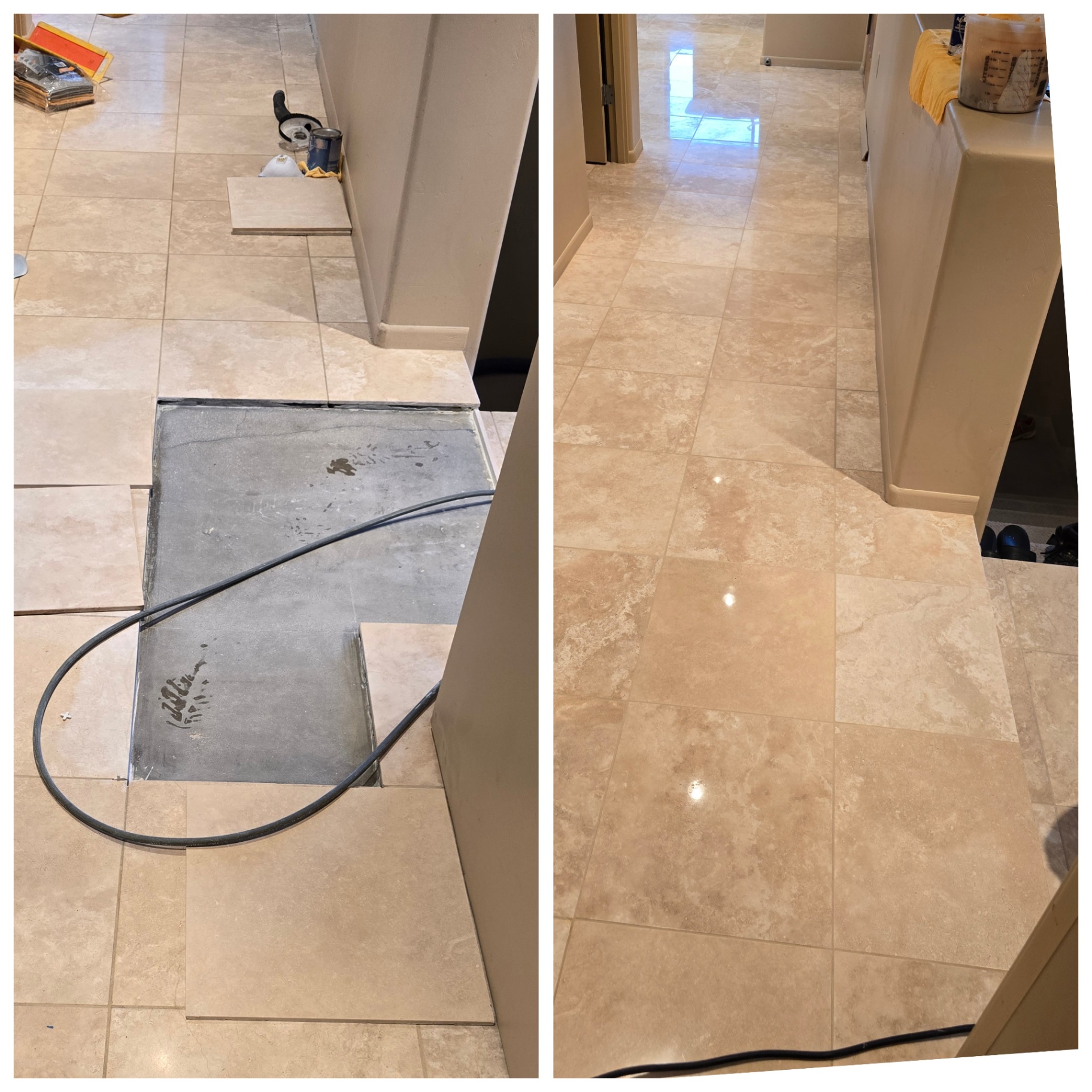
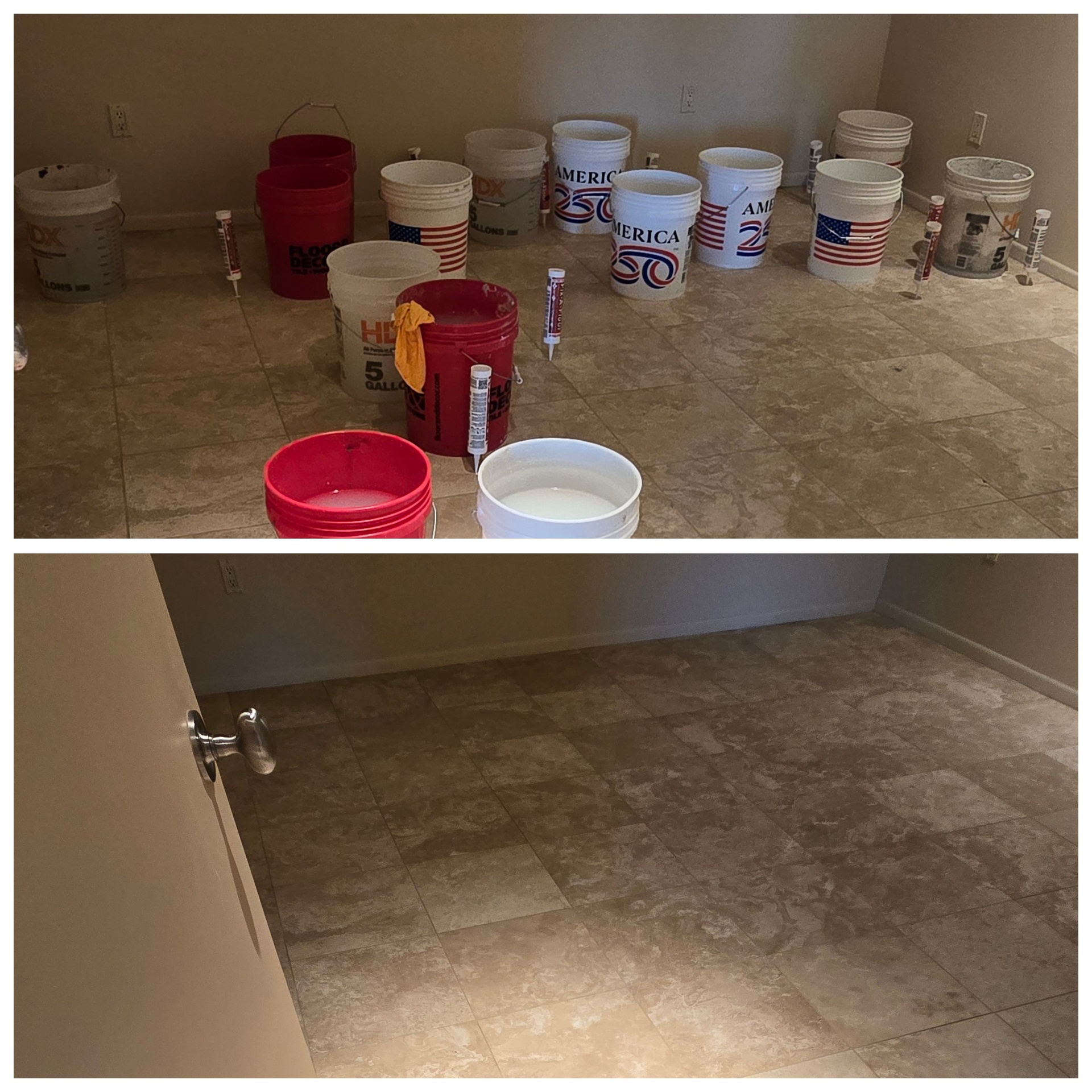
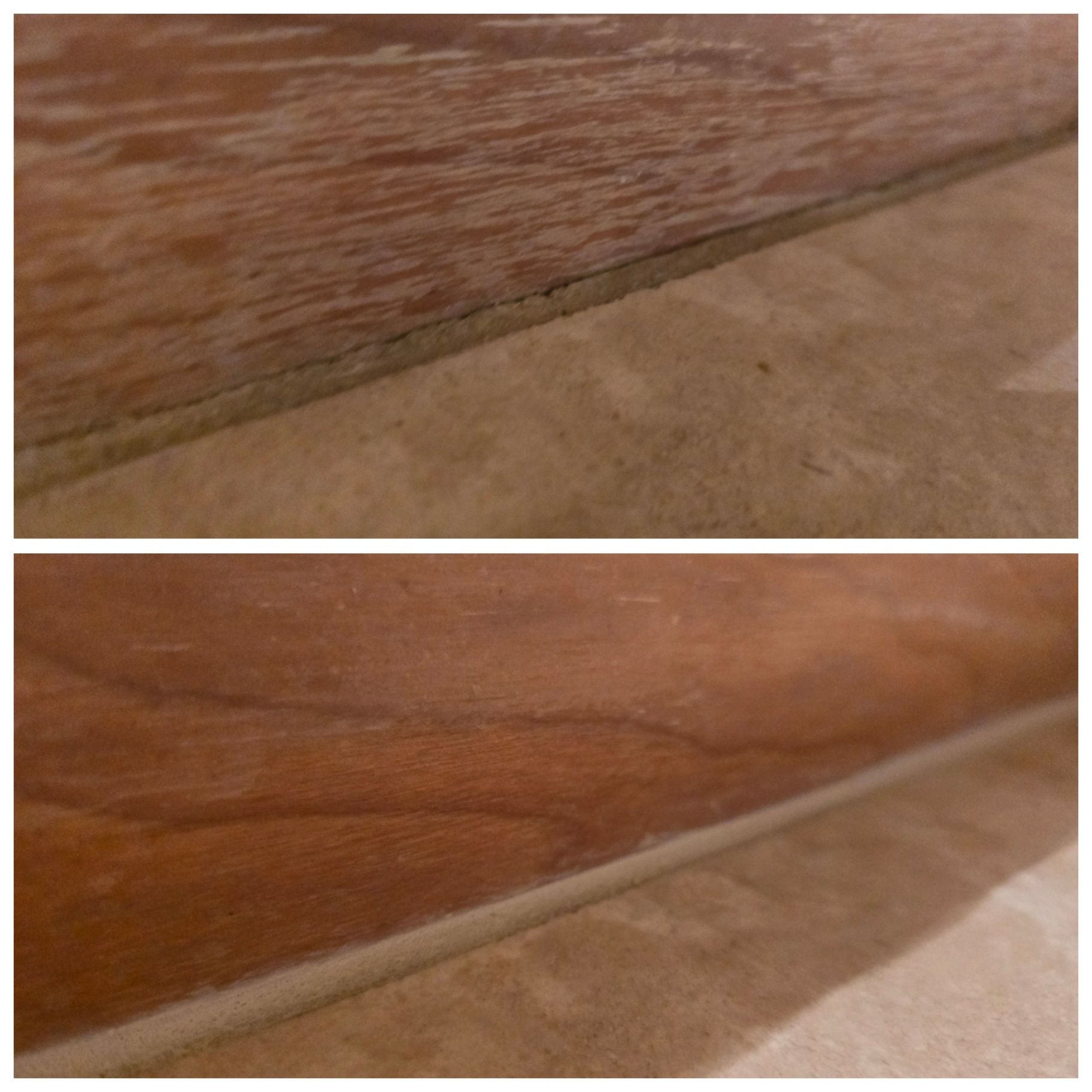
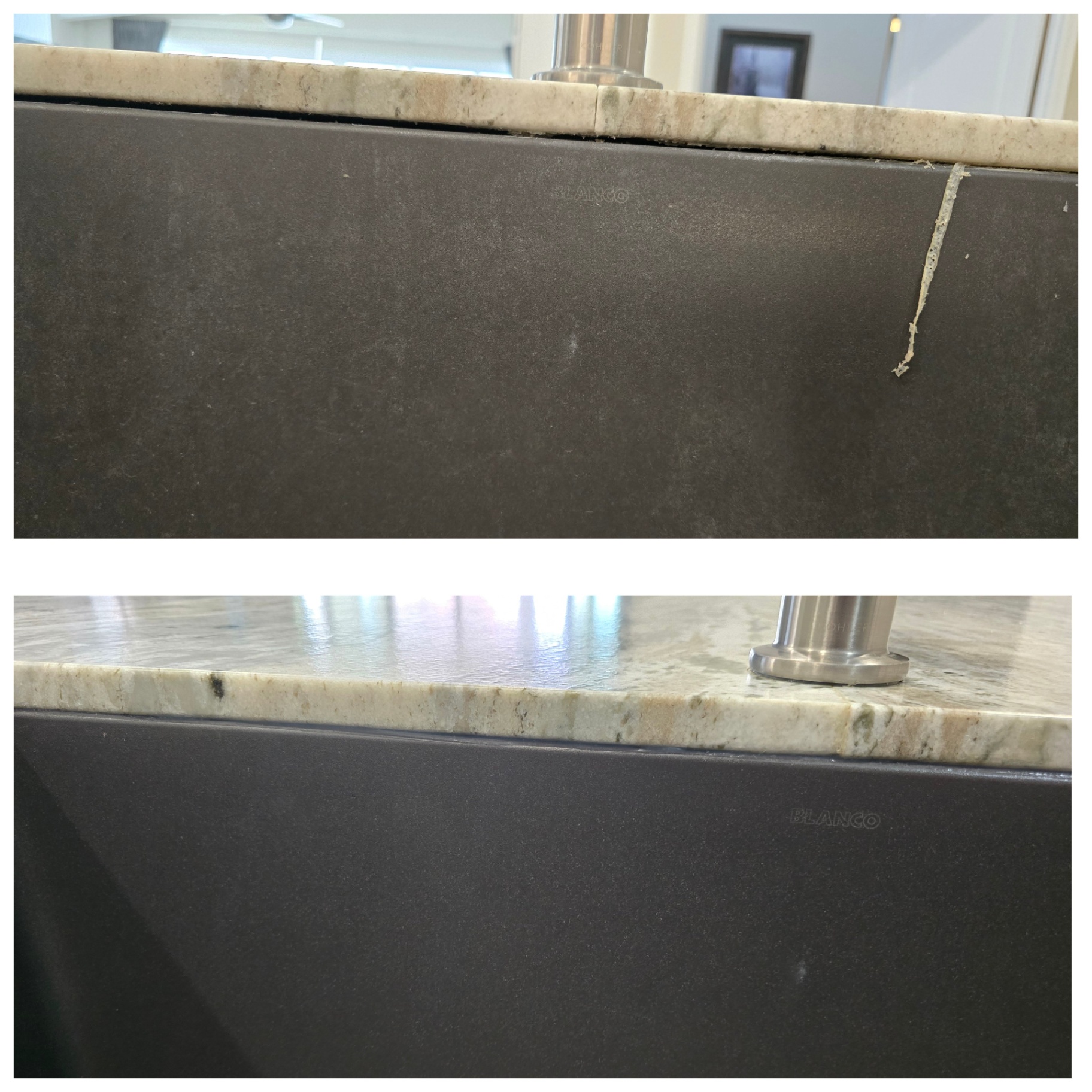
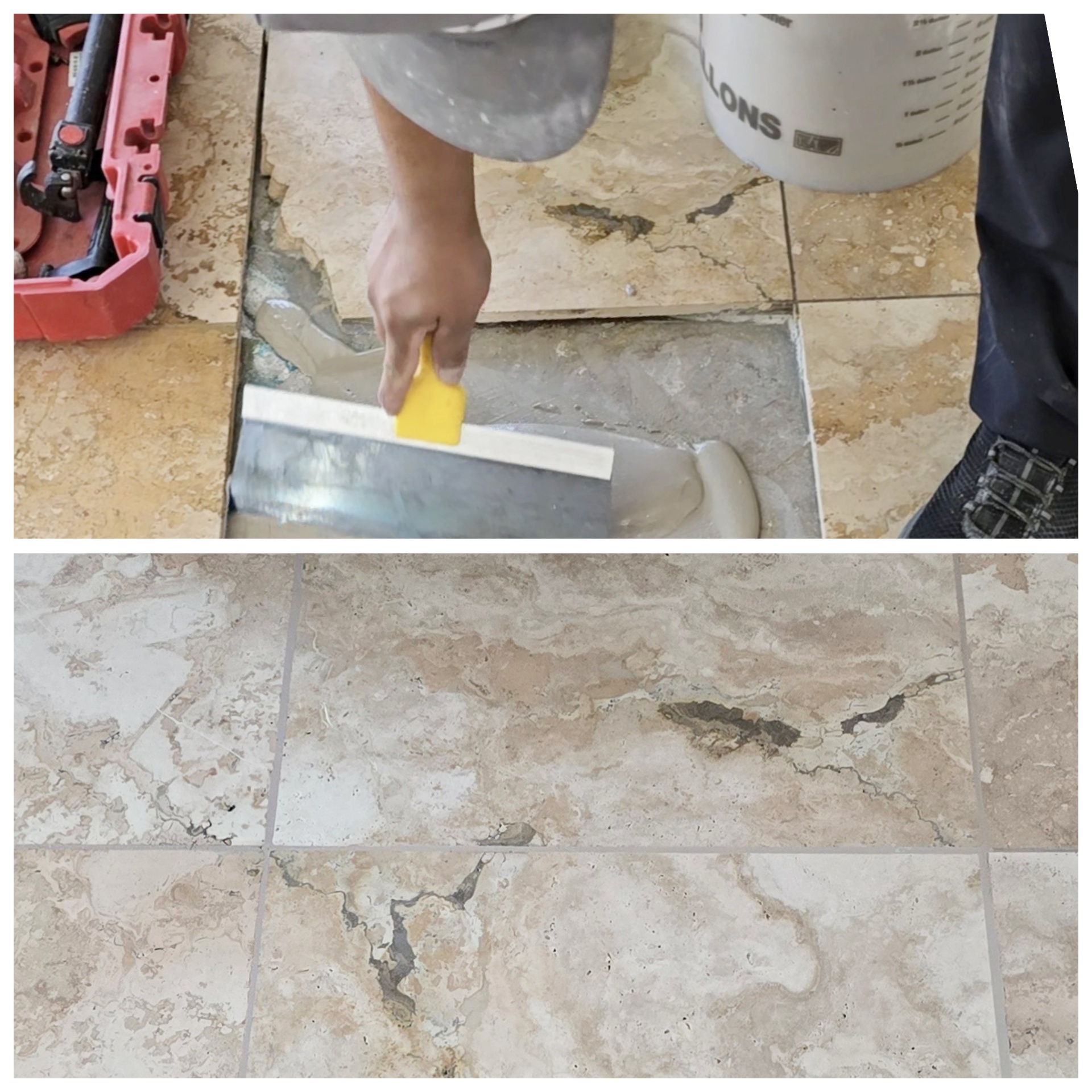
Real Tile & Grout Repair Projects
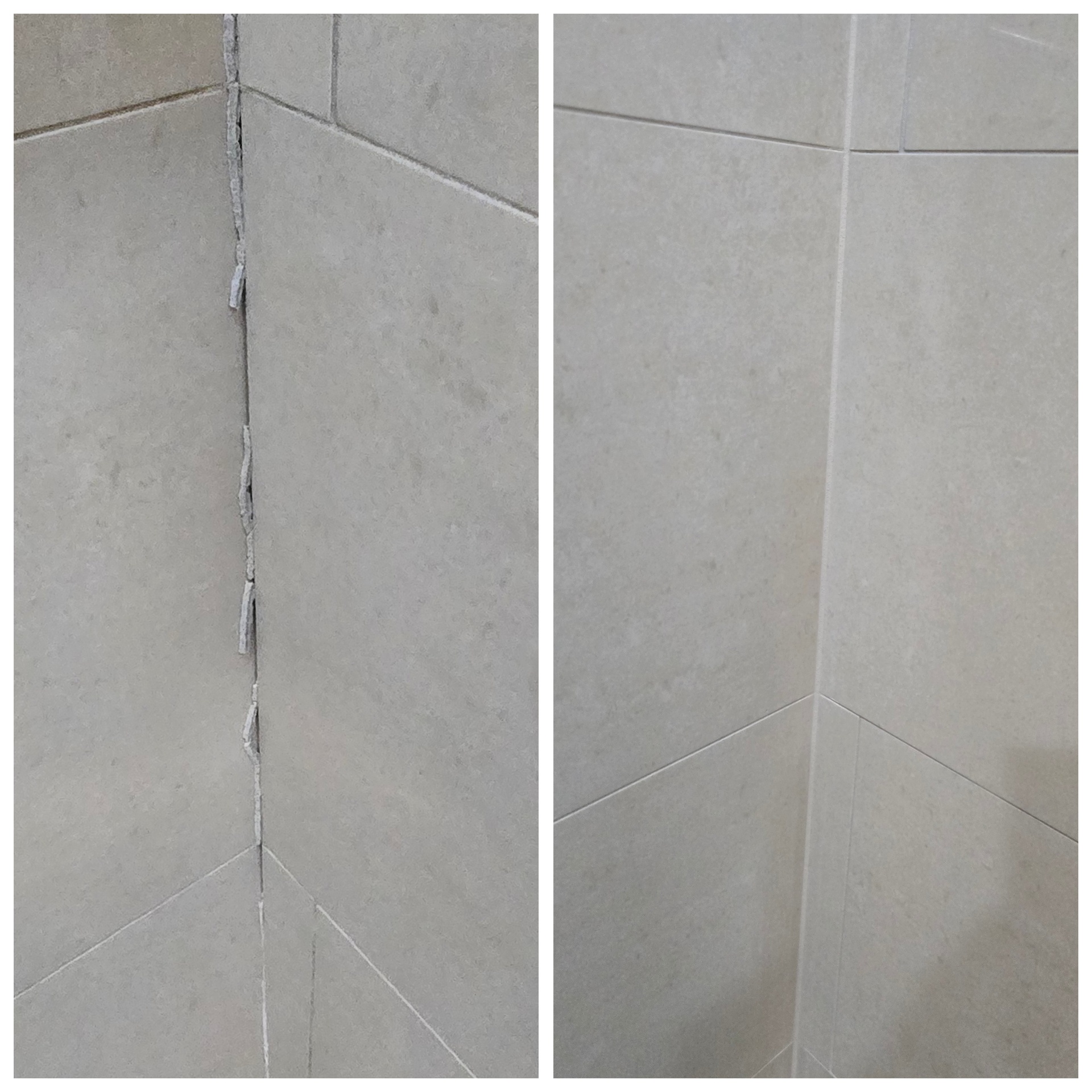
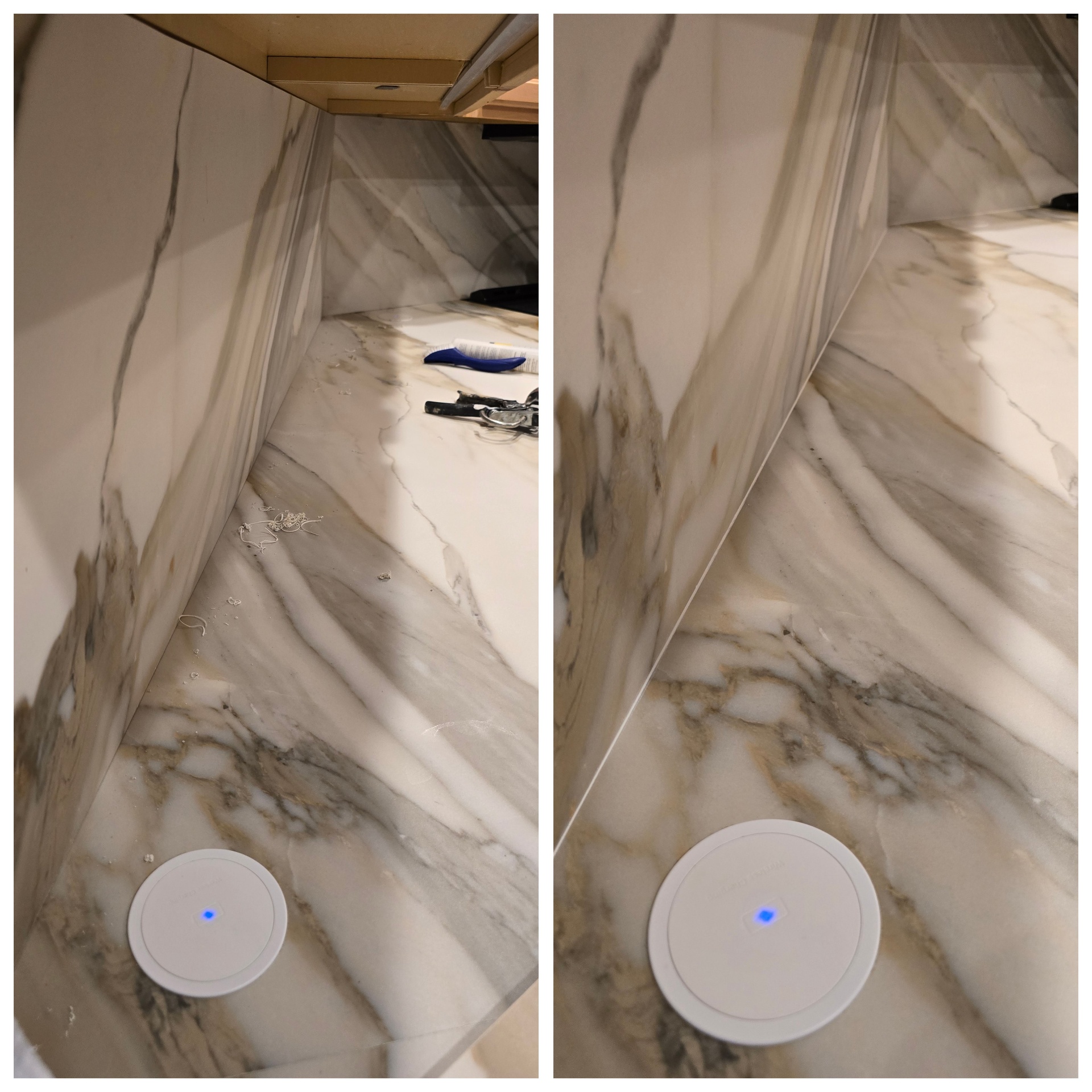
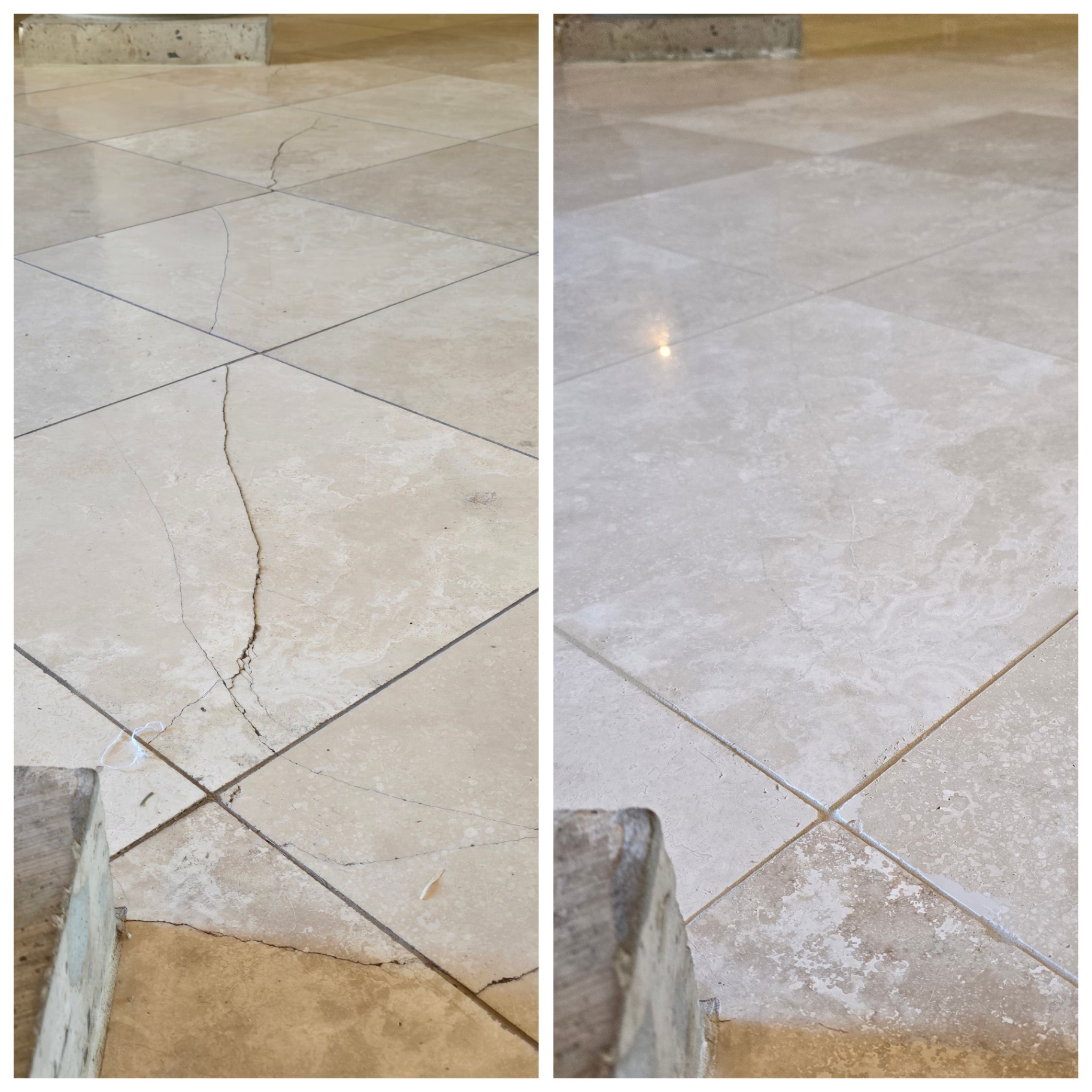
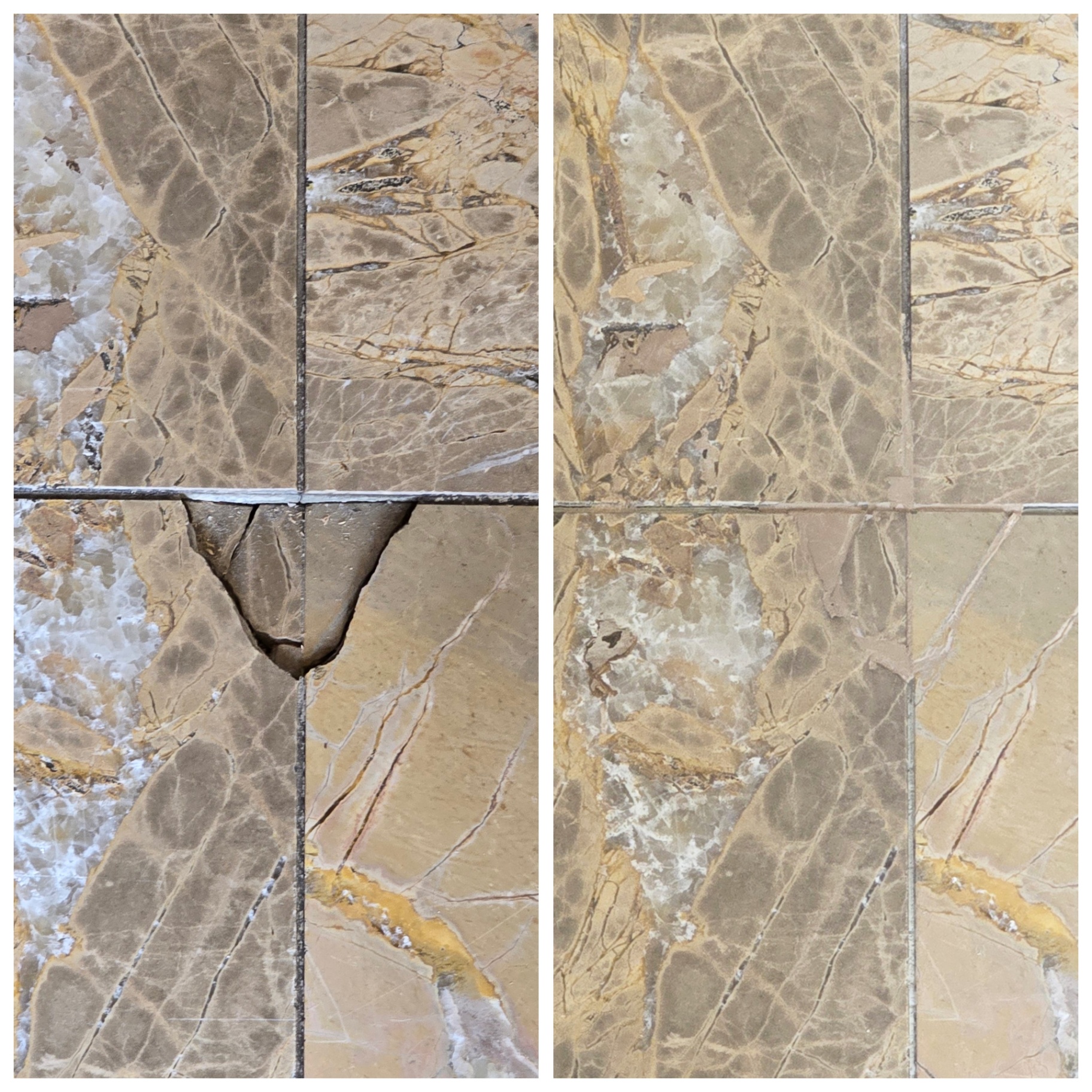
Cracked perimeter joints, hollow tile, and grout eroded down to the substrate are structural problems, not cleaning problems. We repair first, then restore, then cap the joint with a permanent color seal backed by our 15-Year Warranty.
Serving Commercial & Residential Properties
Whether you need repairs in a busy retail environment, a corporate office, or your personal residence, we deliver professional results with scheduling tailored to your needs.
Residential Repair Services
- Individual homeowner scheduling flexibility
- Matching to existing tile and grout colors
- Furniture moving and protection included
- Detailed attention to high-visibility areas
- Color consultation for caulk and grout matching
Commercial Repair Services
- After-hours and weekend scheduling available
- Phased repairs for business continuity
- High-traffic durability specifications
- OSHA-compliant safety protocols
- Preventive maintenance program development
Our Repair Services
Comprehensive repair solutions for every type of tile, stone, and flooring damage.
Hollow & Debonded Tile Repair
Tiles that sound hollow when tapped have lost their bond to the substrate. Left unaddressed, hollow tiles crack under pressure and can cause adjacent tiles to debond through movement transfer.
Stone Hole & Crack Repair
Natural stone develops holes, pits, and cracks over time. We use color-matched epoxy fillers and professional grinding techniques to create seamless, invisible repairs.
Tile Chip & Crack Repair
Chipped and cracked tiles detract from your floor's appearance and can become safety hazards. We repair or replace damaged tiles to restore a uniform, safe surface.
Concrete Crack Repair
Cracks in concrete substrates can telegraph through tile installations and cause surface damage. We stabilize and fill concrete cracks before they compromise your flooring.
Baseboard Re-Caulking
The junction between baseboards and flooring is critical for waterproofing, pest prevention, and energy efficiency. We remove old, failed caulk and apply professional-grade sealants.
Understanding Hollow Tiles
Hollow tiles are more than a minor annoyance. Left unaddressed, they lead to cracking, further debonding, and costly replacements.
Why Tiles Become Hollow
Tiles lose their bond to the substrate for several reasons: improper installation with insufficient thinset coverage, substrate movement from settling or thermal expansion, water infiltration that degrades the adhesive, or simply age and heavy traffic. When thinset fails, an air pocket forms beneath the tile, creating the distinctive hollow sound when tapped.
The Domino Effect of Hollow Tiles
A single hollow tile isn't just a localized problem. When you walk on a debonded tile, it flexes and moves. This movement transfers stress to adjacent tiles, gradually breaking their bond as well. Over time, one hollow tile can cause entire sections of flooring to debond. Additionally, the flexing motion causes fatigue cracking, especially at tile corners and high-stress points.
Preventing Future Damage
Addressing hollow tiles promptly prevents the cascade of damage that follows. Re-bonding tiles before they crack saves the cost of replacement. Stabilizing the installation prevents adjacent tiles from debonding. Early intervention is always more cost-effective than waiting until tiles crack or large sections fail.
Repair Methods: Injection vs. Replacement
Adhesive Injection
The preferred method when tiles are intact and substrate access is available. We drill small holes through grout lines, inject specialized adhesive beneath the tile, and apply pressure to re-establish the bond. The injection holes are then filled with color-matched grout.
Intact tiles with hollow areas, accessible substrates, situations where matching replacement tiles aren't available
Requires the tile to be structurally sound. Not suitable for cracked tiles or when the substrate itself has failed.
Tile Removal & Replacement
When injection isn't viable, we carefully remove the debonded tiles, clean and prepare the substrate, and install new tiles with proper thinset coverage. This is the only option when tiles are cracked or when no matching tiles exist for injection.
Cracked or damaged tiles, failed substrates, when matching tiles are available, complete re-installation of sections
Requires matching replacement tiles. May result in slight color variation if tiles have aged.
When No Matching Tiles Exist: Adhesive injection becomes especially valuable when replacement tiles are unavailable. We can often save irreplaceable vintage or discontinued tiles by re-bonding them rather than replacing them.
Why Baseboard Caulking Matters
The gap between your baseboards and flooring serves as an entry point for water, pests, and air. Professional caulking protects your investment and improves comfort.
Waterproofing Protection
MDF and composite baseboards are highly susceptible to water damage. Proper caulking creates a watertight seal that prevents moisture from mopping, spills, or humidity from wicking into the baseboard material and causing swelling, warping, or deterioration.
Pest Prevention
The gap between baseboards and flooring provides an entry point for insects, spiders, and other pests. Professional caulking seals this gap, eliminating a common pathway for unwanted visitors to enter your living or working space.
Energy Efficiency
Unsealed gaps around baseboards allow conditioned air to escape and unconditioned air to enter. In Arizona's extreme climate, this air infiltration increases cooling costs. Caulking these gaps improves your building envelope and reduces energy waste.
Finished Appearance
Cracked, peeling, or missing caulk looks neglected and detracts from your space's appearance. Fresh, properly applied caulk creates clean, professional lines that enhance the overall look of your floors and trim work.
Protecting MDF Baseboards
MDF (Medium Density Fiberboard) and composite baseboards are extremely susceptible to moisture damage. Unlike solid wood, MDF absorbs water quickly and swells irreversibly. Once water wicks into the material from mopping, spills, or even humidity, the baseboard warps, bubbles, and deteriorates. Proper caulking creates a barrier that prevents moisture from reaching the vulnerable bottom edge of MDF baseboards.
In bathrooms, kitchens, laundry rooms, and entryways, this protection is especially critical. We use flexible, waterproof caulks designed to maintain their seal even as floors and walls shift with temperature and humidity changes.
Concrete Crack Repair
Cracks in concrete substrates are a common issue in Arizona homes and commercial buildings. Thermal expansion, settling, and soil movement all contribute to concrete cracking. When tile or stone is installed over cracked concrete, these cracks can telegraph through the flooring, causing visible damage to your finished surfaces.
Our concrete crack repair services stabilize existing cracks and prepare substrates for tile installation or refinishing. We use flexible crack fillers that accommodate ongoing movement, preventing cracks from reappearing. For floors being prepared for new tile, we ensure the substrate is sound and level before installation begins.
Note: Significant structural concrete issues may require consultation with a structural engineer before repairs can proceed. Our assessment will identify whether standard crack repair is appropriate or if further evaluation is needed.
Investment
Starts at $1,500
Minimum repair investment, no matter the size of the area
All tile, stone, and grout repair work carries a $1,500 minimum day rate, even on a single cracked tile or one failed joint, because the trip, tooling, color matching, and materials are the same. Beyond the minimum, pricing depends on the type and extent of damage, repair method required, material costs, and accessibility. We provide transparent, itemized quotes so you understand exactly what you're paying for.
Frequently Asked Questions
Tile and stone repair services throughout Arizona
Don't Wait Until Tiles Crack
Addressing hollow tiles, cracks, and failed caulking now prevents costly replacements later. Contact us for a $150 consultation of your repair needs.