
You turn the steam off, open the door, and the room should still feel like a small spa. Instead, the stone looks cloudy. The grout in the corners has gone dark. And there is that musty smell you cannot quite scrub away.
This is a typical call we get from homeowners in Paradise Valley and Scottsdale. The generator still works. The finish is the part that is quietly giving up.
Here is the short answer. A steam shower stays hot and wet much longer than a regular shower. Valley hard water leaves mineral scale. Heat and vapor wear sealer down faster. Porous grout holds moisture, stains, and, if it stays damp, mold.
A vinegar spray or a rough pad, used with good intentions, can etch marble or travertine or scratch the finish. Wipe the enclosure down, use a pH-neutral cleaner on natural stone, and leave the door or vent open so it can dry. When the caulk is failing, the stone is dull or scratched, the glass stays cloudy, or the odor keeps coming back, cleaning is no longer the job.
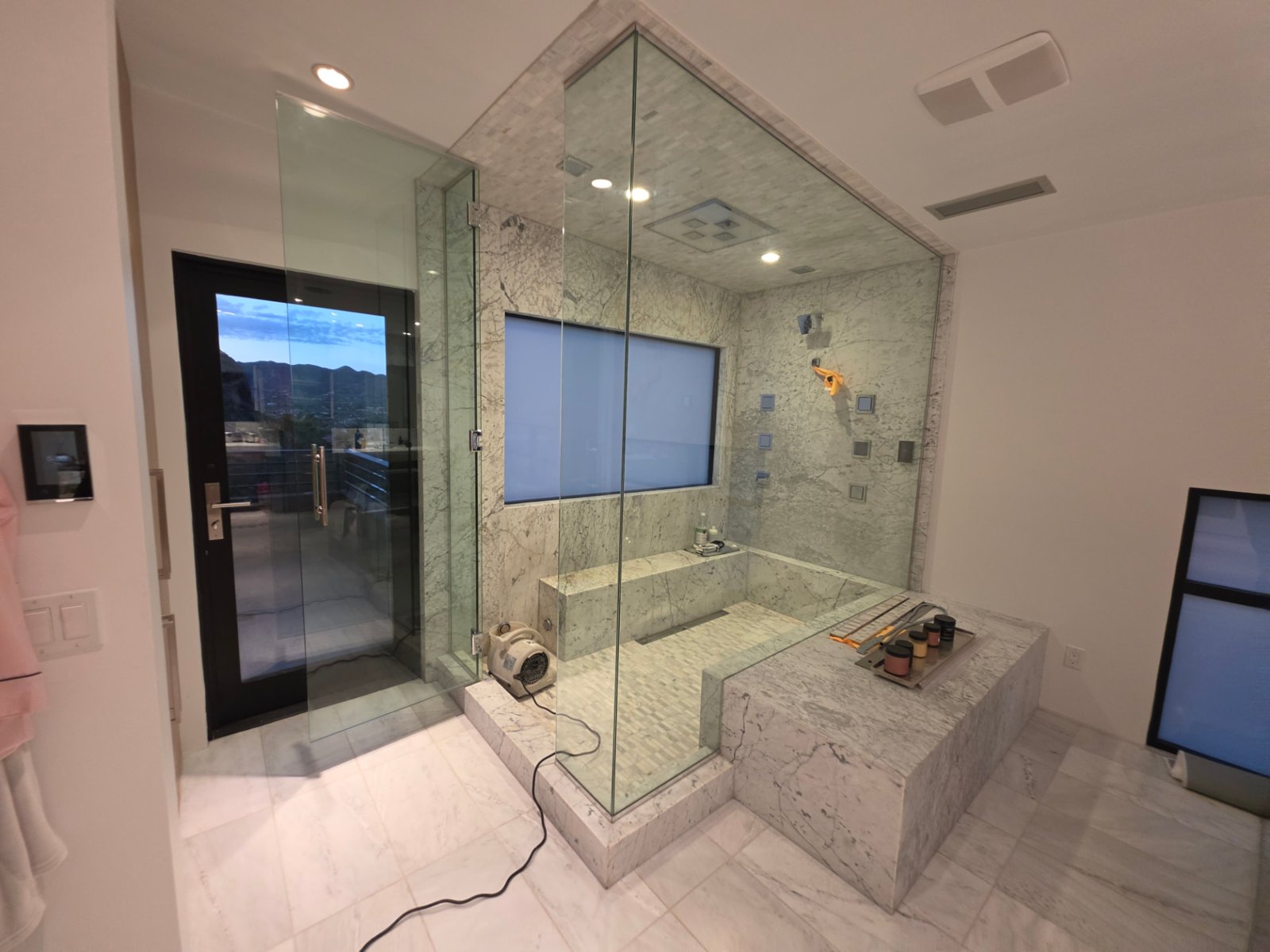
What is really going on in that enclosure
Stand in the shower for a minute and look at it the way we do on a walkthrough.
The haze on the stone or glass is often hard water. In the East Valley, mineral-rich water dries on warm surfaces over and over. What looks like soap film can be scale. What looks like scale can also be etching, or a damaged coating on the glass. Those are not the same problem, and they do not take the same treatment.
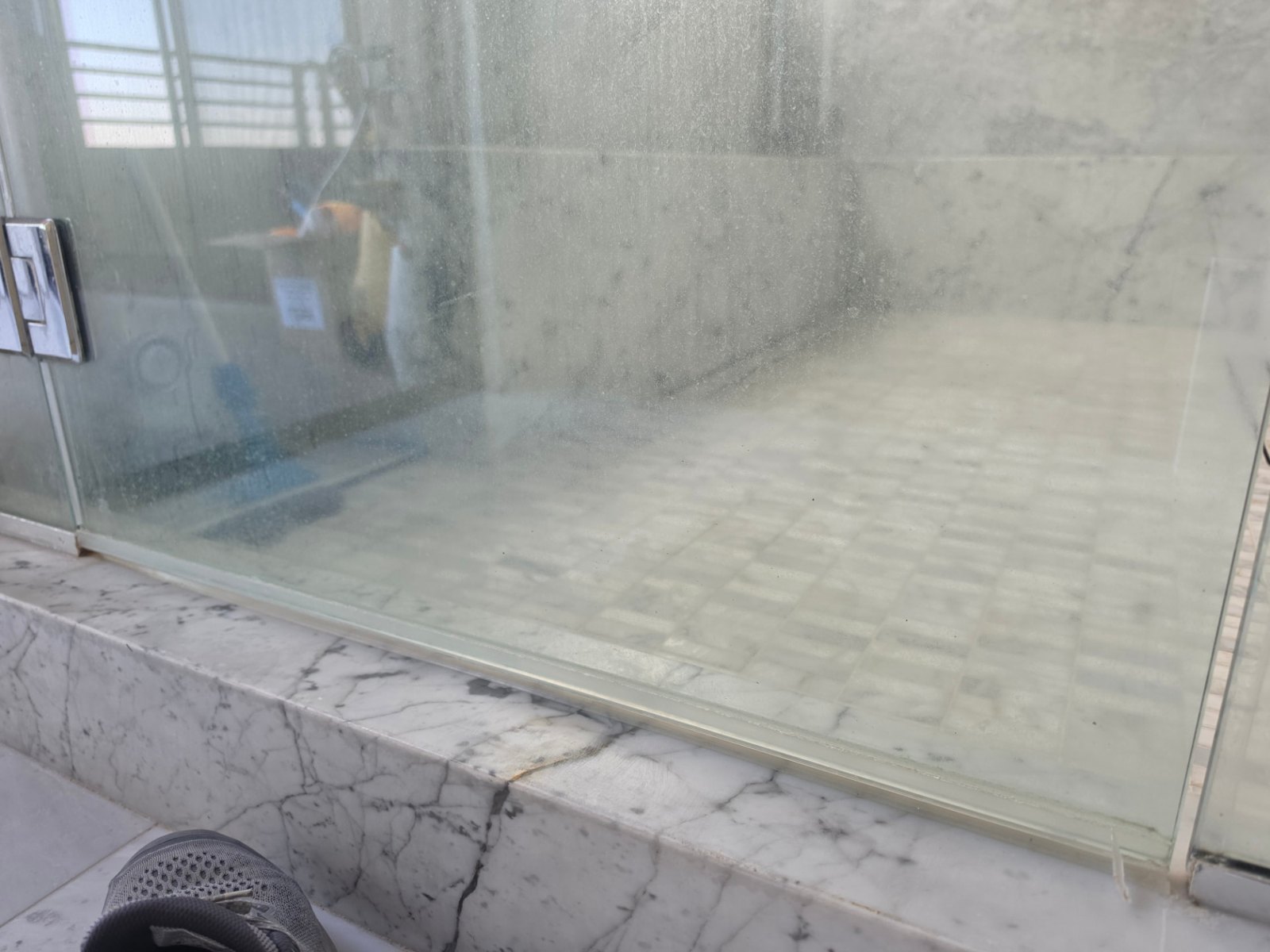
The dark grout is usually a moisture story. Cementitious grout is porous. In a steam shower it spends a long time wet, so it absorbs minerals, body oils, and discoloration. If the penetrating sealer has worn off, that happens faster. Recurring black or dark staining in the joints, especially in corners and on the bench, is often mold or mildew sitting in grout that never fully dries.
The musty smell is a clue, not a separate mystery. If the enclosure stays damp behind a closed door, the odor will come back no matter how many times you spray it. Failed caulk around the bench, the glass channel, or the floor makes that worse, because water sits in the joint and, in a bad case, gets where it should not.
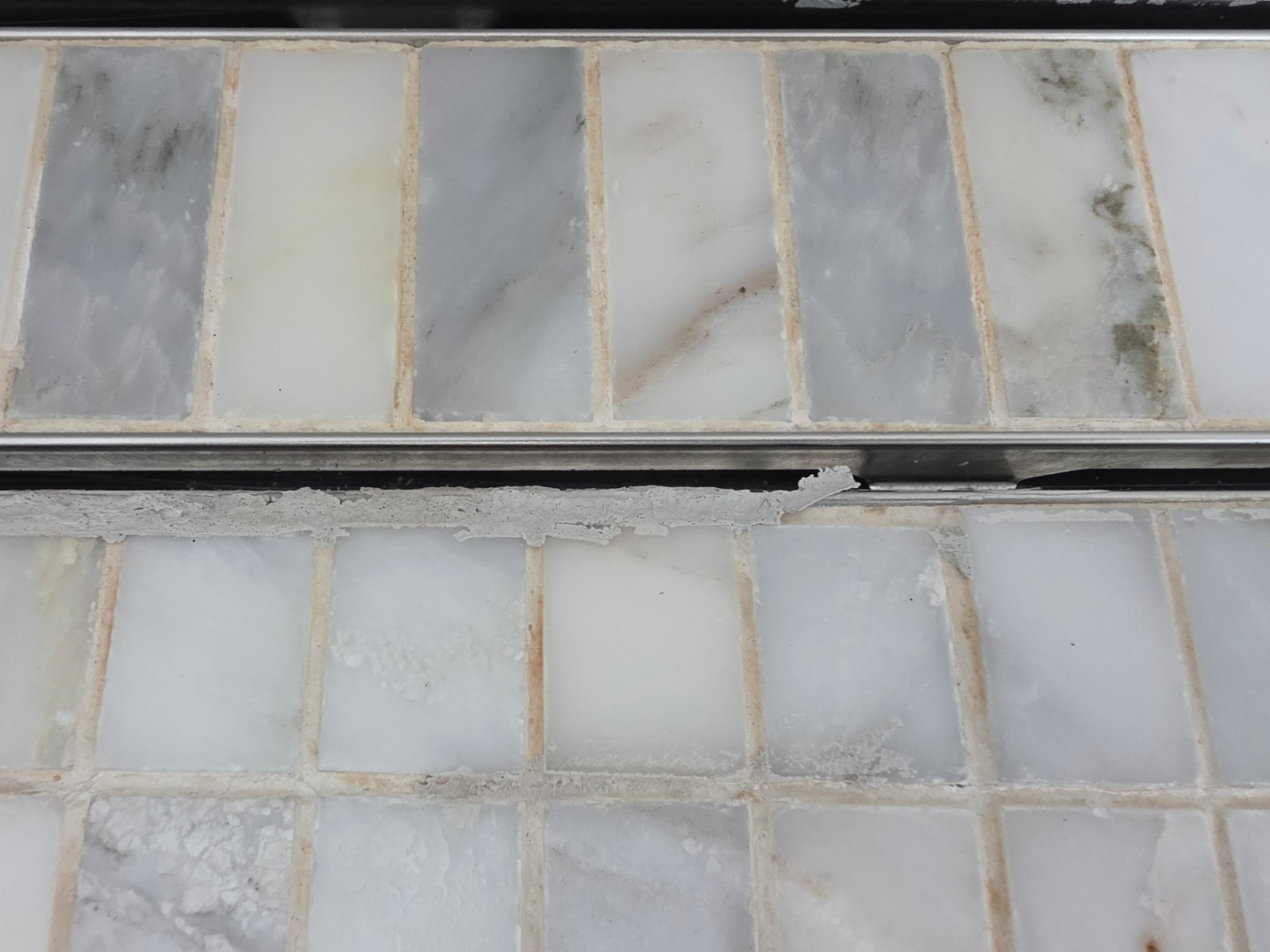
Heat and steam also age the sealer. A product that still beads water in a regular shower can give up sooner in a steam enclosure. Once the sealer is tired, stone looks dull, grout stains more easily, and everyday cleaning starts to feel like a losing fight.
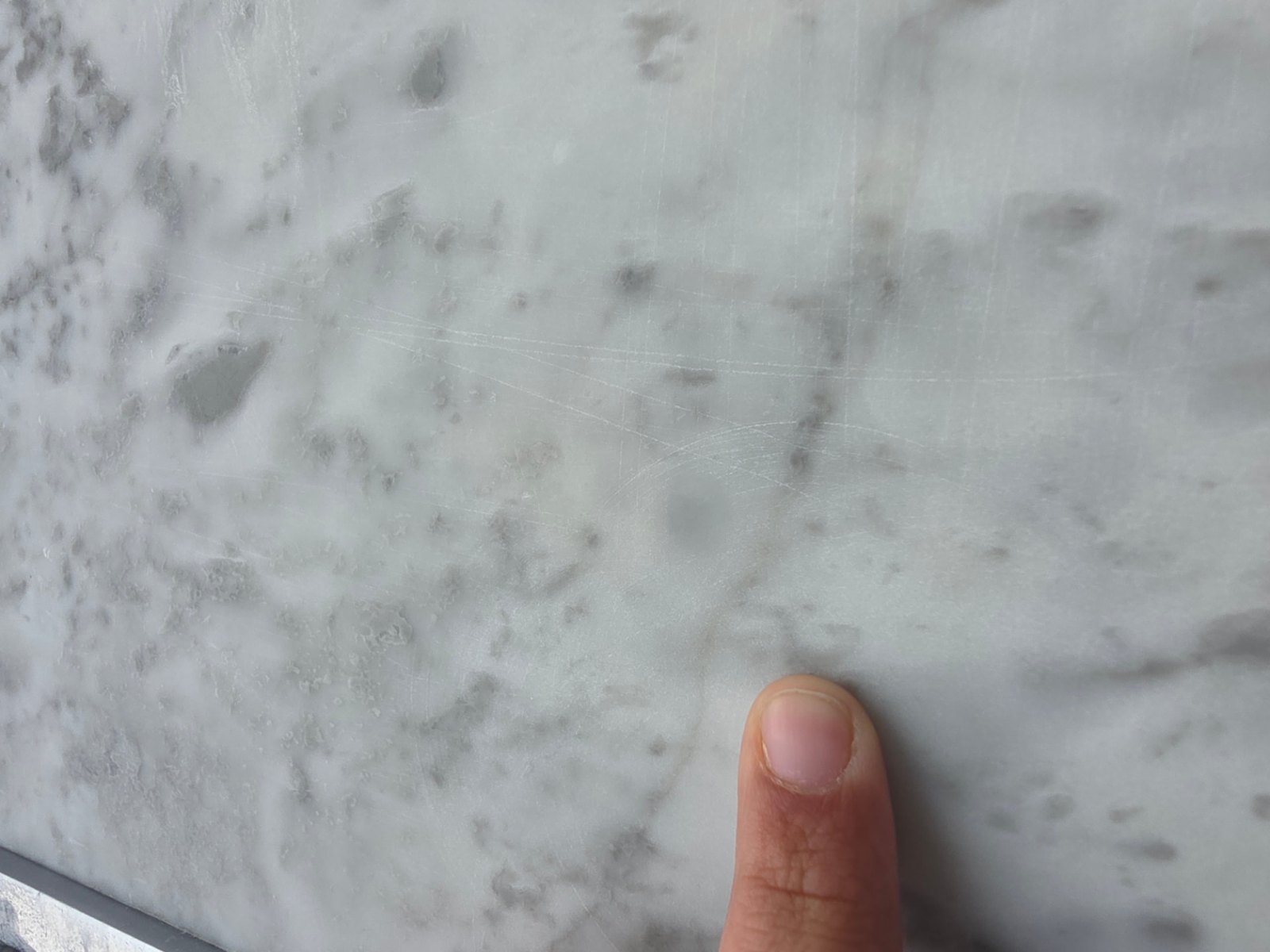
Then there is the damage people never meant to cause. Vinegar, lemon, and many "natural" or descaling cleaners are acidic. On marble, travertine, limestone, and other acid-sensitive natural stones, acid etches. The surface turns dull or cloudy, and no amount of wiping puts the polish back. Abrasive pads can scratch stone and some glass coatings. A "non-scratch" label is not a free pass on every finish.
One more thing that is easy to miss: a steam shower is not a dry sauna, and it is not a standard walk-in either. It needs a vapor-proof waterproofing system behind the tile and stone, not just ordinary shower prep. If you have loose tile, water outside the enclosure, or joints that fail again and again, the surface is only part of the story. That is when the assembly itself needs a closer look.
What the fix looks like, step by step
We start with the whole enclosure, not one stained corner. Stone, grout, glass, metal, and every visible joint. You learn a lot from clear photos, and even more from seeing how water sits on the bench, where the door closes, and which areas never dry.
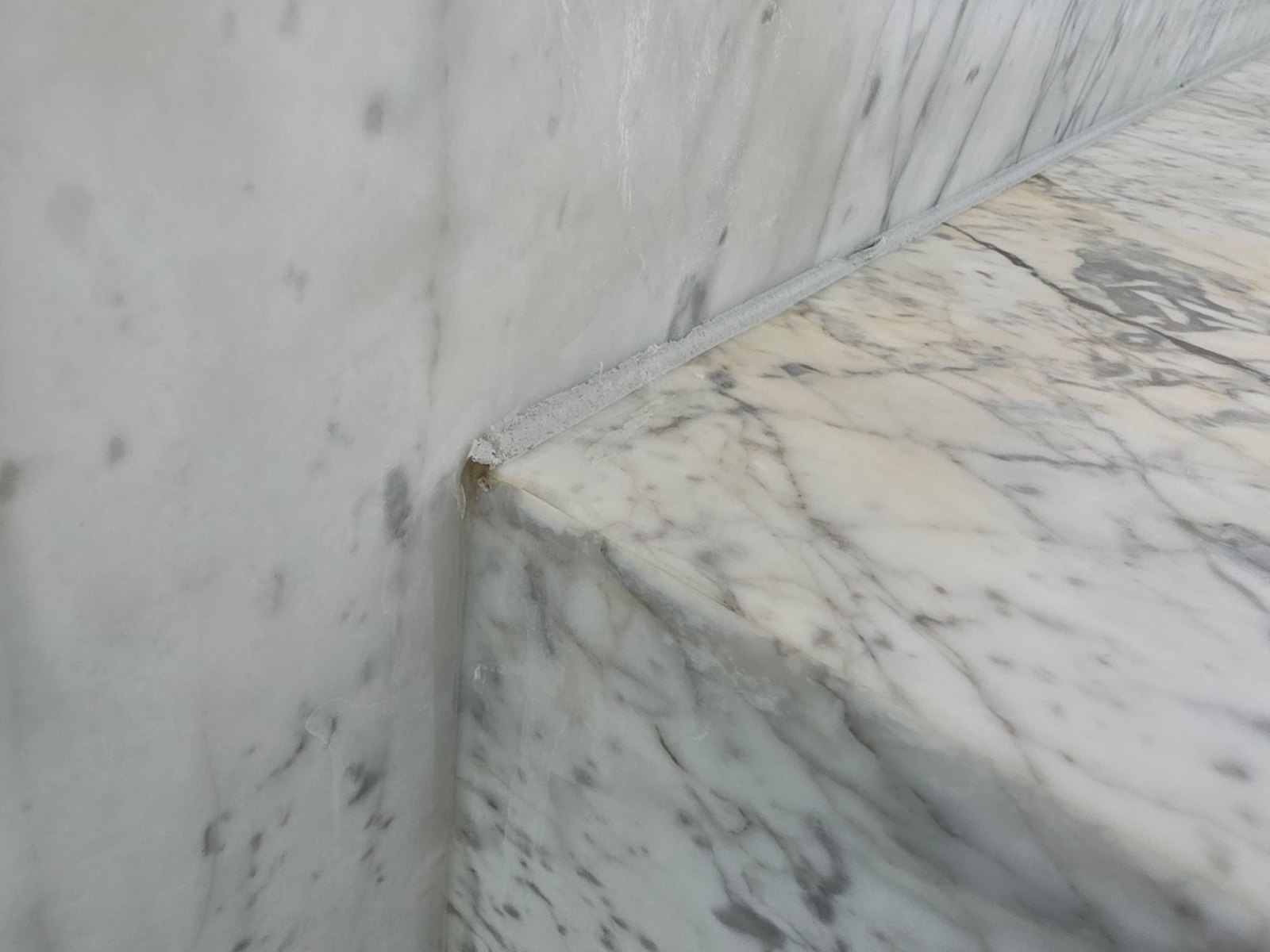
Next we separate residue from damage. Soft mineral scale and soap film can often be cleaned with the right method for that surface. Etched stone, scratched finishes, and worn coatings cannot be "cleaned" back to new. If someone already went at the walls with a rough pad, we are honest about what the finish needs, which may include stone restoration rather than another round of scrubbing.
Cleaning, when it is safe, is measured. On natural stone that means a pH-neutral, stone-safe cleaner, not vinegar, not a harsh descaler, and not a product chosen because it worked on a bathroom sink. Glass gets its own diagnosis, and the stone and metal around it get protected. A cleaner that helps one pane can mark the threshold next to it.
Grout work comes after the joints are clean and dry enough to treat. If the grout is cementitious, a penetrating sealer helps it resist stains and moisture. When the color is uneven or the staining will not release, color sealing can even out the shade and add stain resistance. That makes the enclosure look cared for again. It is not a substitute for sound waterproofing, and we do not treat it as one.
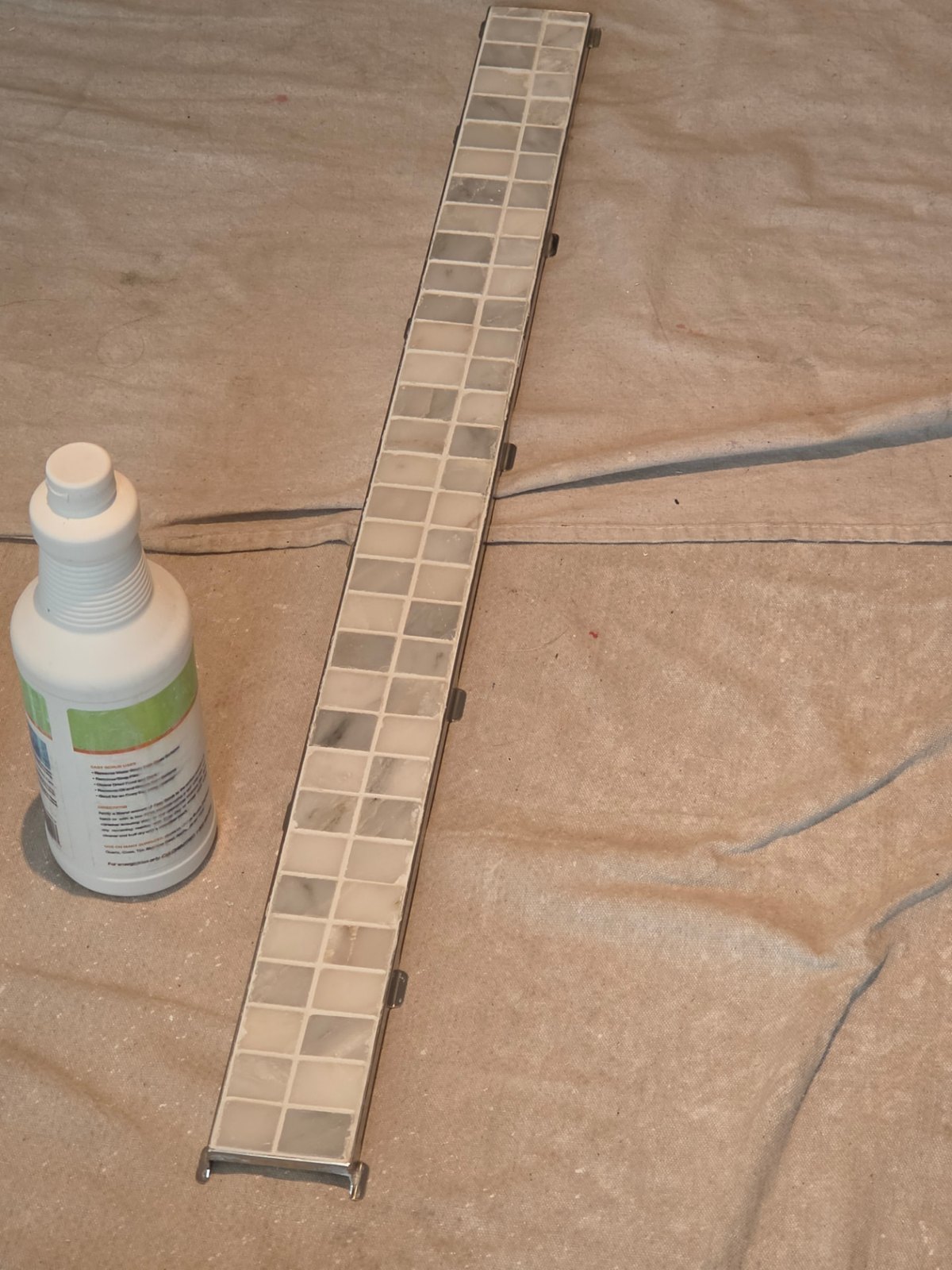
Failed caulk does not get a new bead on top of the old one. The loose or moldy material comes out, the joint is cleaned and prepared, and a compatible sealant goes in. Steam, movement, and the materials on either side of the joint all matter when choosing that product. Fresh caulk also needs time to cure before the steam goes back on. If a joint keeps opening, or water shows up outside the enclosure, we stop treating it like a cosmetic patch.
If the stone is scratched or etched, restoration is a finishing process, not a heavier cleaner. The stone, the depth of the mark, and the sheen you want all decide the approach. The aim is to bring back the character of the surface you already have, not to pretend a pad never touched it.
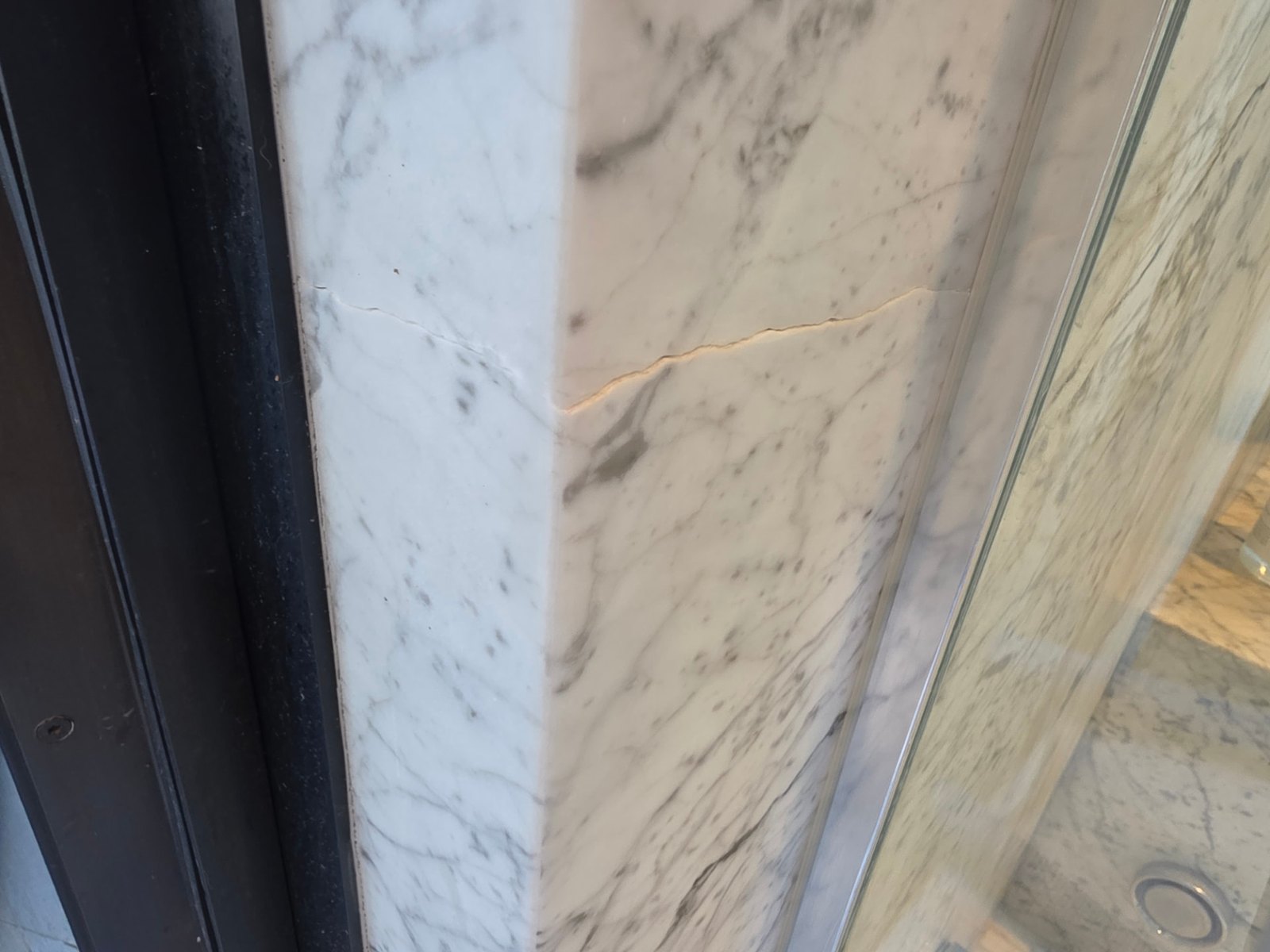
Through all of this, the steam generator stays in its own lane. Enclosure restoration is the tile, grout, stone, glass, and joints. Generator scale, elements, and repairs belong with the manufacturer's guidance and a qualified technician. Do not pour an enclosure cleaner into the generator.
How it feels when the shower is right again
The change most people notice first is the light. The glass is clear enough to see the stone. The walls have their color back, instead of that chalky film. The grout looks even, including the corners that used to go dark. The musty smell is gone because the enclosure can dry, and the joints are no longer holding onto moisture.
It should feel like the spa you wanted when you built it. Not a surface that makes you hesitate before you turn the steam on.
That result lasts if the care after the work is simple and consistent. It does not last if the door stays shut on a wet enclosure, or if the next "deep clean" is vinegar and a rough pad.
A short care checklist for Paradise Valley and Scottsdale steam showers
These habits do more than any special bottle:
- After each use, when it is safe to do so, wipe or squeegee water off the glass, benches, and walls with a clean, soft tool.
- Leave the door or vent open so the enclosure can dry. This is one of the best mold-prevention steps you can take.
- Clean natural stone with a pH-neutral, stone-safe cleaner. Never use vinegar, lemon, or other acids on marble, travertine, or limestone.
- Skip abrasive pads and harsh powders. If rubbing changes the sheen, stop.
- Use the cleaner at the labeled dilution, and rinse if the label calls for it, so residue does not build up.
- Check the caulk and grout for separation, softness, or staining that returns in the same spot.
- If your grout is cementitious, keep a penetrating sealer in good condition. Color sealing is the option when you also want a uniform color and stronger stain resistance.
- Follow your steam system's care guide for the enclosure, and keep generator service separate. Do not put shower cleaner into the generator.
- Give household staff or a cleaning service the same instructions, so a later visit does not undo the finish.
Valley hard water and frequent steam mean this routine matters more here than it might in a milder climate. Small habits keep a healthy shower looking right. They will not hide failed caulk, etched stone, or a moisture problem that has already set in.
When to call a pro
Call when the problem is no longer ordinary cleaning:
- Caulk is peeling, staining, or pulling away, especially around the bench, glass, or floor.
- Mold or a musty smell returns after you clean and dry the enclosure.
- Stone looks dull, etched, or scratched, or a pad has already marked the finish.
- Glass stays cloudy after careful, compatible cleaning. That cloudiness may be etching or coating damage, not scale.
- Grout is crumbling, staying damp, or badly stained.
- Tile feels loose, a joint keeps failing, or water appears outside the enclosure.

Lazona Tile Care cleans, restores, and color seals tile, grout, and natural stone for homes and commercial properties across the East Valley, including Paradise Valley, Scottsdale, hotels, and offices. 3,500+ Valley clients served. We are open 24 hours, 7 days a week.
If your steam shower is starting to look tired, send photos or call (480) 352-0392. We will tell you whether this is a care issue, a restoration issue, or something the enclosure itself needs to have checked. You can also reach us at manuelnovoa@lazonarestorative.com. Lazona Tile Care, 3100 W Ray Rd, Chandler, AZ 85226.