
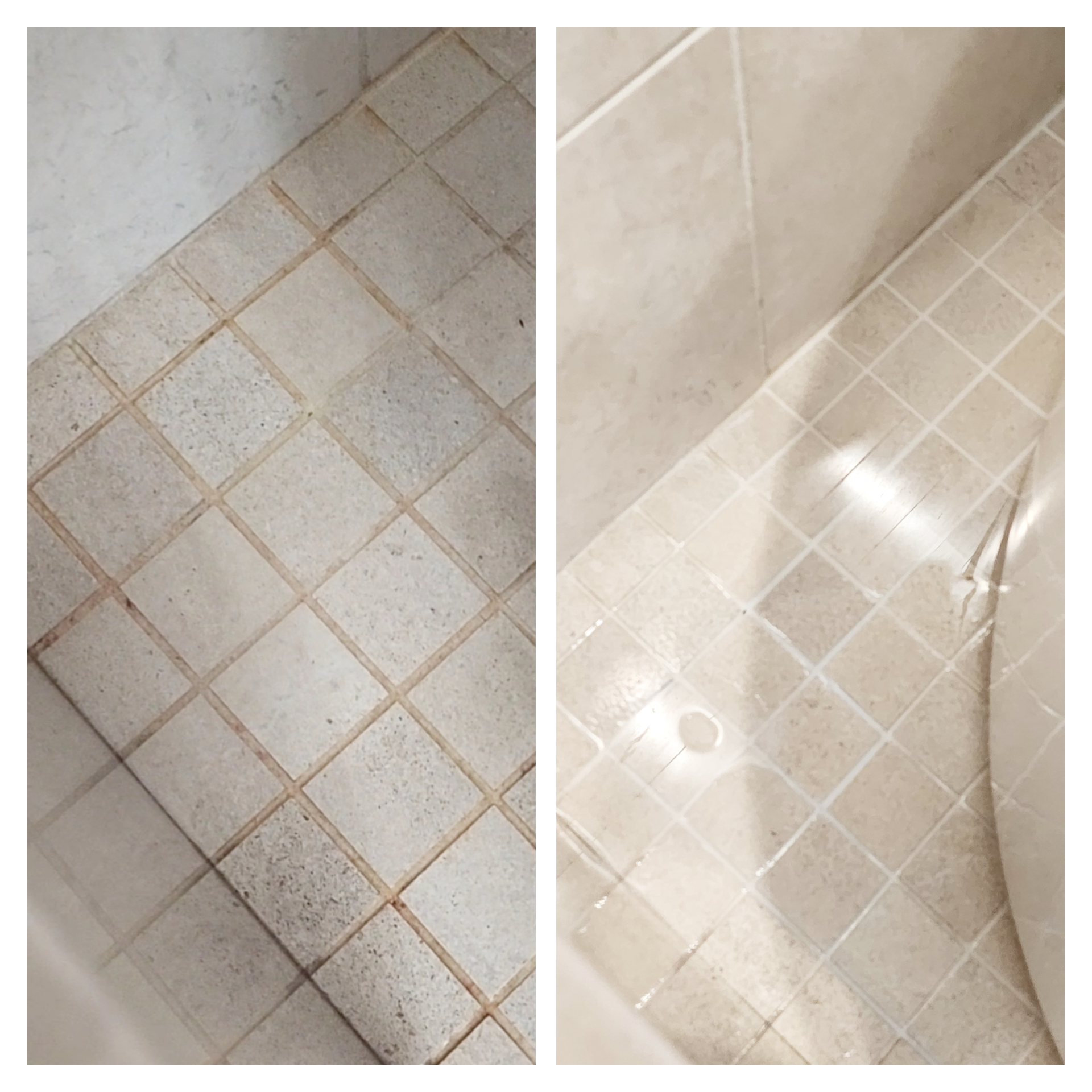
Walk into any big box store and you will find an entire aisle of bathroom cleaners promising sparkling results. What they do not tell you: most of these products are formulated for fiberglass tubs and acrylic shower surrounds. When you use them on tile, stone, and grout, they slowly destroy everything they touch. In Arizona's hard water environment, this destruction happens even faster.
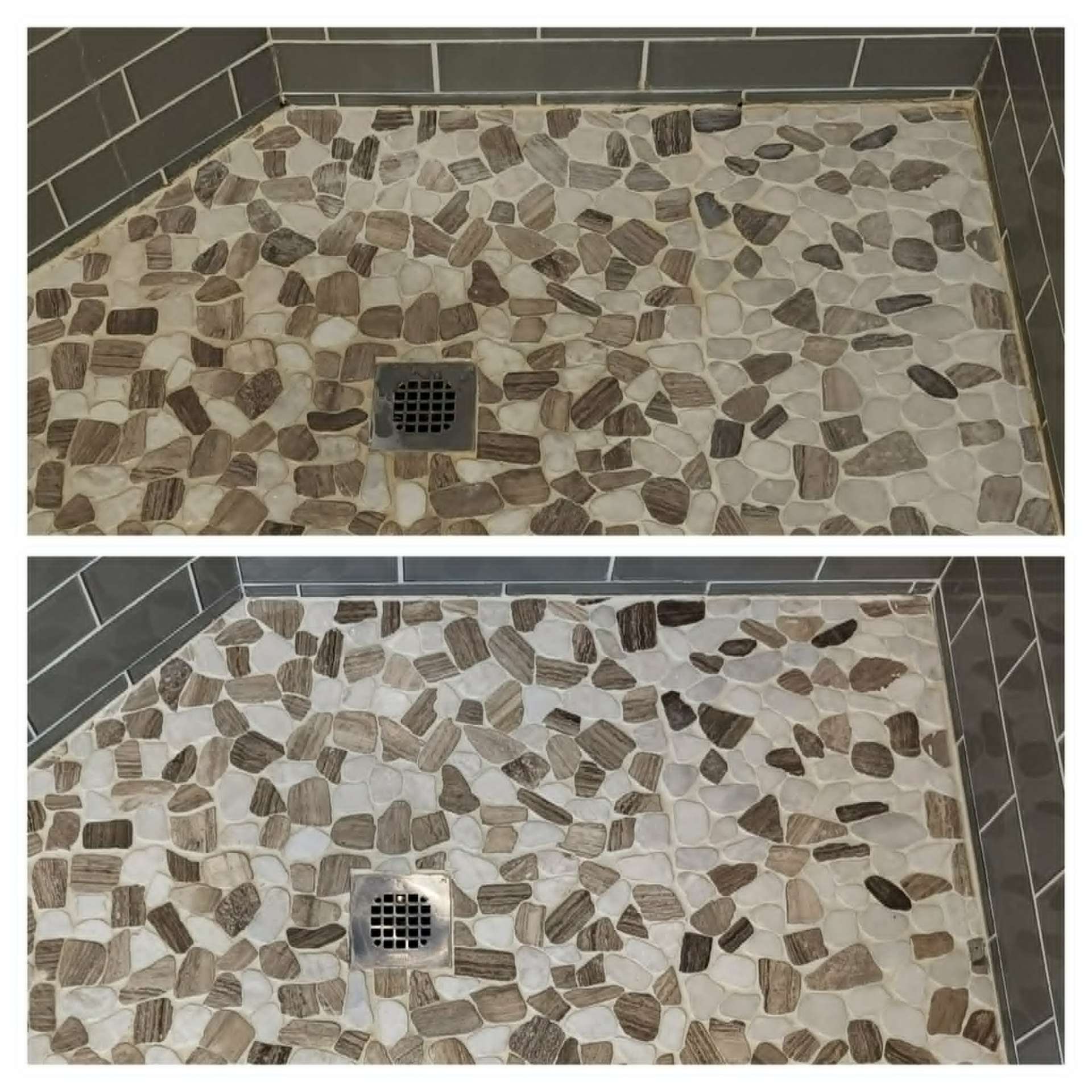
How Fast Can a Shower Go Downhill?
A properly installed and maintained tile shower should last 20-30 years or more. But we routinely see showers that are only 5-8 years old with severe deterioration: crumbling grout, failed caulking, stained stone, and mold growing behind tiles. The common denominator? Aggressive chemical cleaners used weekly or even daily.
Using acidic bathroom cleaners on tile and grout showers is like using sandpaper on your car's paint. Every application removes a little more material until the damage becomes irreversible.
The Acidic Cleaner Problem Explained
Most popular bathroom cleaners contain phosphoric acid, hydrochloric acid, or sulfamic acid. These acids are excellent at dissolving soap scum and hard water deposits. Unfortunately, they also dissolve cement-based grout, etch natural stone, and degrade silicone caulking.
- Phosphoric acid eats away at grout with every application
- Hydrochloric acid (muriatic acid) rapidly destroys cement bonds
- Citric acid and vinegar erode grout and etch marble and travertine
- Bleach degrades silicone caulking, causing it to pull away and crack
- Ammonia-based cleaners strip protective sealers from grout and stone
- Abrasive scrubbing powders scratch tile glaze and stone surfaces
Products designed for fiberglass and acrylic work by chemically dissolving deposits. These non-porous plastic surfaces can handle the acid. Grout, natural stone, and even ceramic tile glaze cannot.
Signs Your Shower Is Deteriorating
Shower deterioration does not happen overnight, but once it starts, it accelerates quickly. Here are the warning signs to watch for:
- Grout that feels sandy or powdery when you run your finger across it
- Caulking that has pulled away from walls, floor, or fixtures
- Dark staining in grout that cleaning will not remove
- Musty smell that persists even after cleaning
- Tiles that sound hollow when tapped
- Water stains appearing on ceilings below upper-floor bathrooms
- Stone surfaces that look dull or have white, rough patches
- Grout lines that are lower than the tile surface (eroded away)
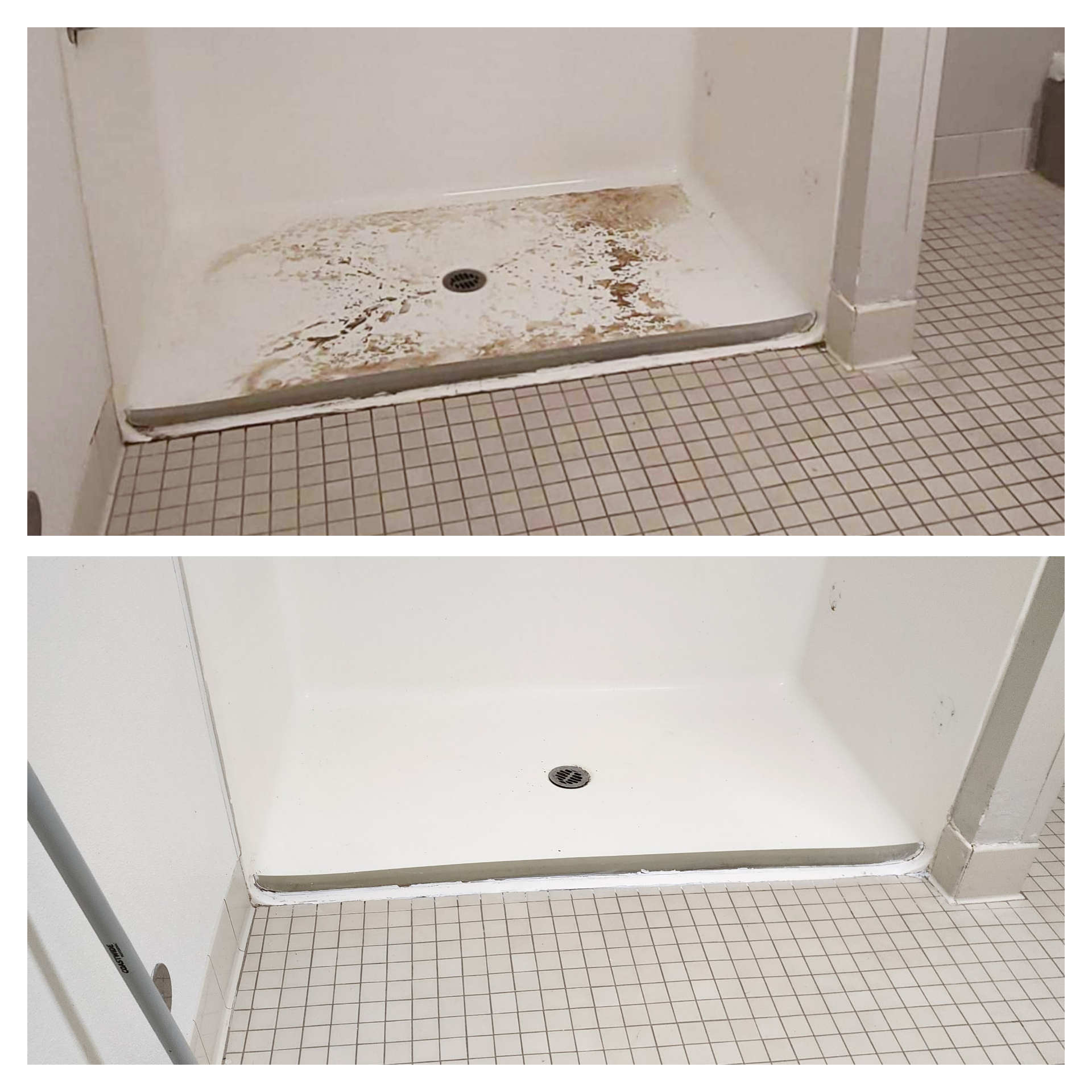
Why Arizona Showers Fail Faster
Arizona's hard water is some of the most mineral-laden in the country. Phoenix-area water contains calcium, magnesium, and other minerals that leave white deposits on every surface. Homeowners reach for aggressive cleaners to combat these deposits, creating a destructive cycle.
- Hard water deposits build up faster, prompting more frequent cleaning
- Higher cleaner usage accelerates grout and stone degradation
- Low humidity means caulking dries out and cracks faster
- Temperature swings cause expansion and contraction stress on caulk joints
- Monsoon humidity spikes create ideal conditions for mold growth in compromised areas
The Hidden Dangers: Leaks and Mold
Once grout and caulking fail, water penetrates behind the tile. This is where the real damage begins. Moisture trapped in the wall cavity promotes mold growth, deteriorates the substrate (cement board, drywall, or wood framing), and can lead to structural damage.
Black mold in showers is not just a cosmetic issue. It can cause respiratory problems, allergic reactions, and significant property damage. If mold keeps returning despite cleaning, water is getting behind your tiles.
We often discover active leaks during shower restorations that homeowners never knew existed. Water traveling through wall cavities can emerge far from the actual leak point, making diagnosis difficult without professional inspection.
What Your Shower Actually Needs: A Maintenance Schedule
Professional shower maintenance is not a luxury. It is essential preventive care that extends the life of your shower by decades. Here is what should happen on a regular schedule:
- Caulking replacement every 2-3 years (silicone degrades even with proper care)
- Grout sealing every 1-3 years depending on use and water hardness
- Drain inspection and cleaning annually to prevent clogs and odors
- Full inspection for hollow tiles, grout integrity, and water damage every 2 years
- Stone surfaces resealed every 1-2 years in high-use showers
- Deep cleaning with pH-neutral products quarterly
Caulking: The First Line of Defense
Silicone caulking at change-of-plane joints (where walls meet floors, walls meet walls, and fixtures meet tile) is your shower's waterproofing system. When caulk fails, water has a direct path behind the tile.
Quality silicone caulk lasts 2-3 years under normal conditions. Harsh cleaners, especially bleach-based products, break down silicone faster. Arizona's temperature extremes and low humidity also accelerate degradation.
Never use grout at change-of-plane joints. Grout is rigid and will crack when surfaces move independently. These joints require flexible silicone caulk that can handle movement.
Drain Maintenance: Often Forgotten
Shower drains collect hair, soap residue, and mineral deposits. In Arizona's hard water, drains can partially clog with calcium buildup, causing slow drainage and standing water. Standing water accelerates grout deterioration and provides a breeding ground for bacteria and mold.
Professional drain service includes removing the drain cover, clearing the trap, and cleaning mineral deposits from the drain body. This simple service prevents backups and keeps water flowing away from vulnerable grout.
Sealer: Your Shower's Invisible Shield
Quality penetrating sealers protect grout and natural stone by filling microscopic pores and preventing water and contaminant absorption. Without sealer, grout acts like a sponge, absorbing everything it contacts.
- Penetrating sealers do not change appearance but provide invisible protection
- Application should happen after grout fully cures (typically 28 days after installation)
- Reapplication needed every 1-3 years depending on shower use
- If water no longer beads on grout, the sealer has worn off
- Professional-grade sealers outlast consumer products significantly
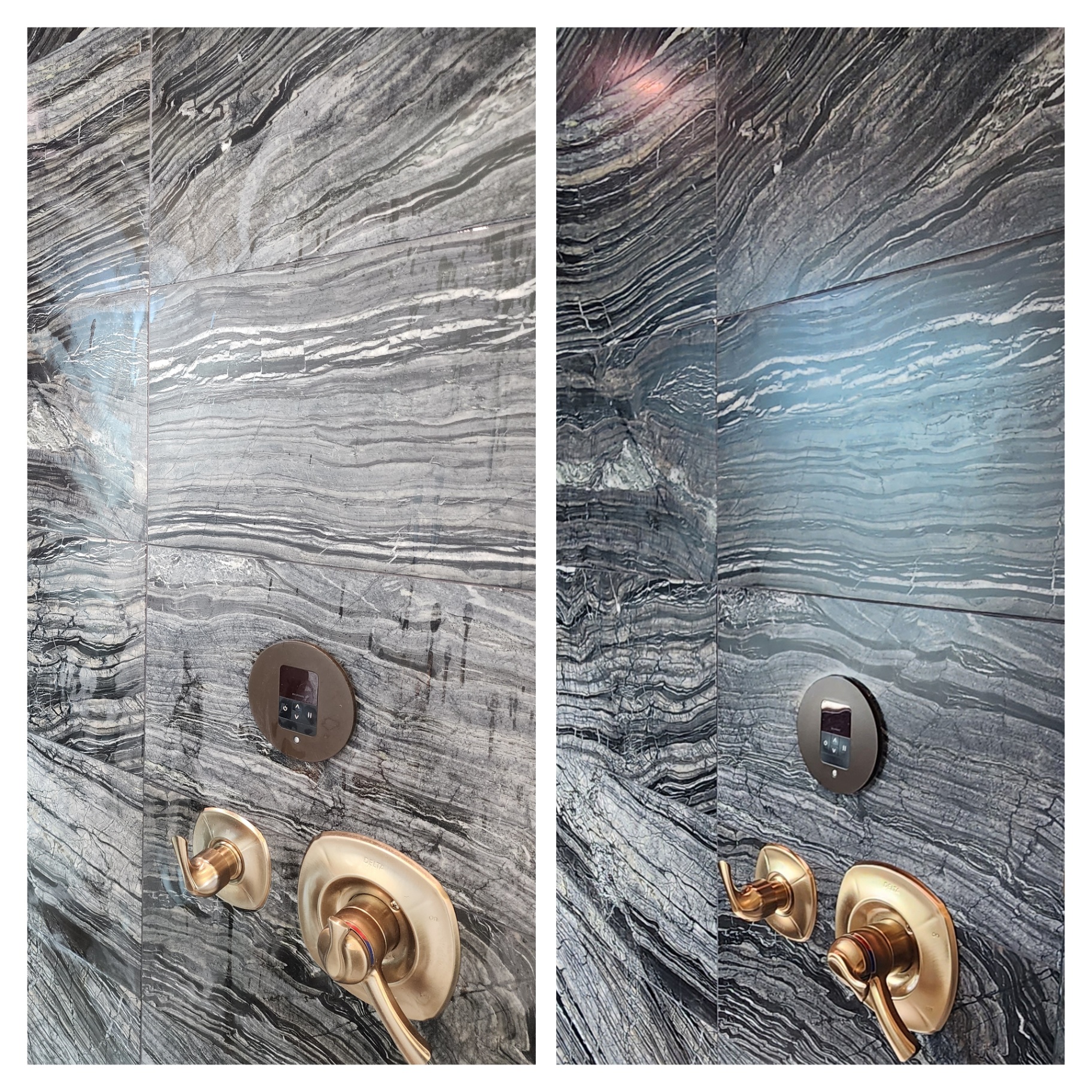
The Real Cost: Restoration vs. Replacement
Here is where most homeowners are shocked. A full shower replacement, including demolition, new tile, new fixtures, and labor, typically costs $8,000-$25,000 or more depending on size and materials. Many homeowners assume this is their only option when their shower looks bad.
Professional shower restoration, including grout repair, grout color sealing, caulking replacement, stone polishing (if applicable), and full sealing, typically costs $1,500-$4,000. That is 75-85% less than replacement.
- New shower installation: $8,000-$25,000+ (demo, materials, labor, fixtures)
- Shower restoration: $1,500-$4,000 (grout repair, color seal, caulk, sealing)
- Restoration timeline: 1-2 days vs. weeks for full replacement
- No demolition dust, debris, or weeks without a functional bathroom
- Results can last 5-10+ years with proper maintenance
Most showers that look terrible are not structurally compromised. Surface-level deterioration can almost always be restored for a fraction of replacement cost. The key is addressing problems before water damage reaches the substrate.
What to Use Instead of Acidic Cleaners
The solution is simple: use pH-neutral cleaners specifically formulated for tile and stone. These products clean effectively without dissolving grout or etching stone surfaces.
- MB Stone Care MB-3 or similar pH-neutral stone soap for natural stone
- Aqua Mix Concentrated Stone and Tile Cleaner for general tile
- Stonetech Stone & Tile Cleaner for everyday maintenance
- Never use vinegar, lemon juice, or any 'natural' acidic cleaner
- Avoid products that claim to remove hard water or calcium deposits
- Squeegee walls after each use to prevent buildup in the first place
When Restoration Is Not Enough
In some cases, damage is too severe for restoration. Here are signs that replacement may be necessary:
- Multiple hollow tiles indicating widespread adhesion failure
- Active water damage to framing or subfloor
- Extensive mold growth behind tiles requiring remediation
- Cracked or broken tiles in large numbers
- Failed waterproof membrane (shower pan liner)
Even in these cases, professional assessment is worthwhile. We have restored showers that other contractors recommended replacing, saving homeowners thousands of dollars.
Take Action Before It Gets Worse
Shower deterioration is progressive. Small problems become big problems, and big problems become expensive problems. The earlier you address grout erosion, caulk failure, and sealer breakdown, the less invasive and expensive the repair.
For professional shower assessment and restoration in the Phoenix metro area, contact Lazona Tile Care at mbstonecare.com. We specialize in bringing deteriorated showers back to like-new condition at a fraction of replacement cost.