
Natural stone countertops are a major investment in Arizona homes. Granite, marble, quartzite, and other natural stones bring beauty and value, but they need proper sealing to perform in our demanding climate. Hard water, extreme dryness, and daily kitchen use create challenges that generic sealing advice does not address.
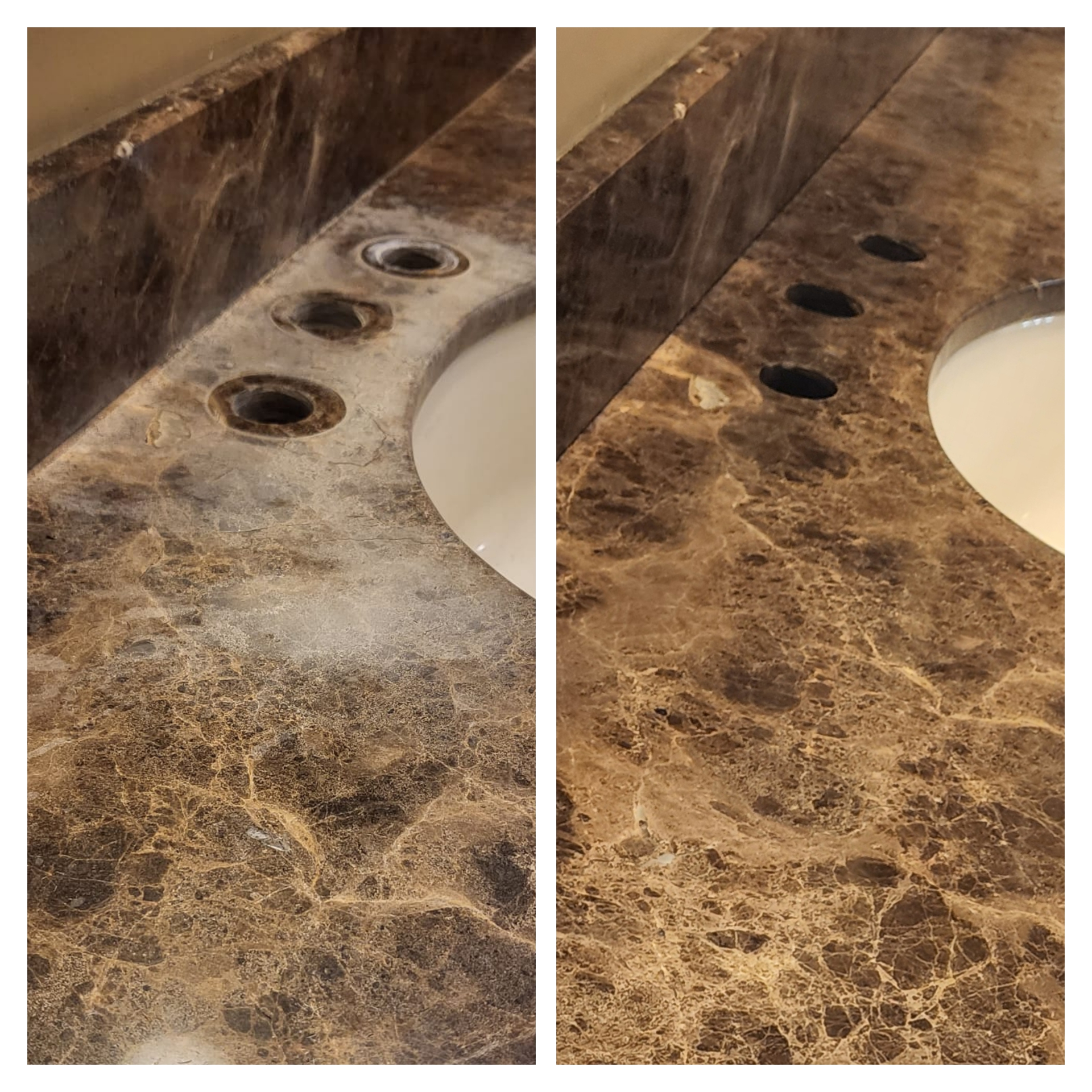
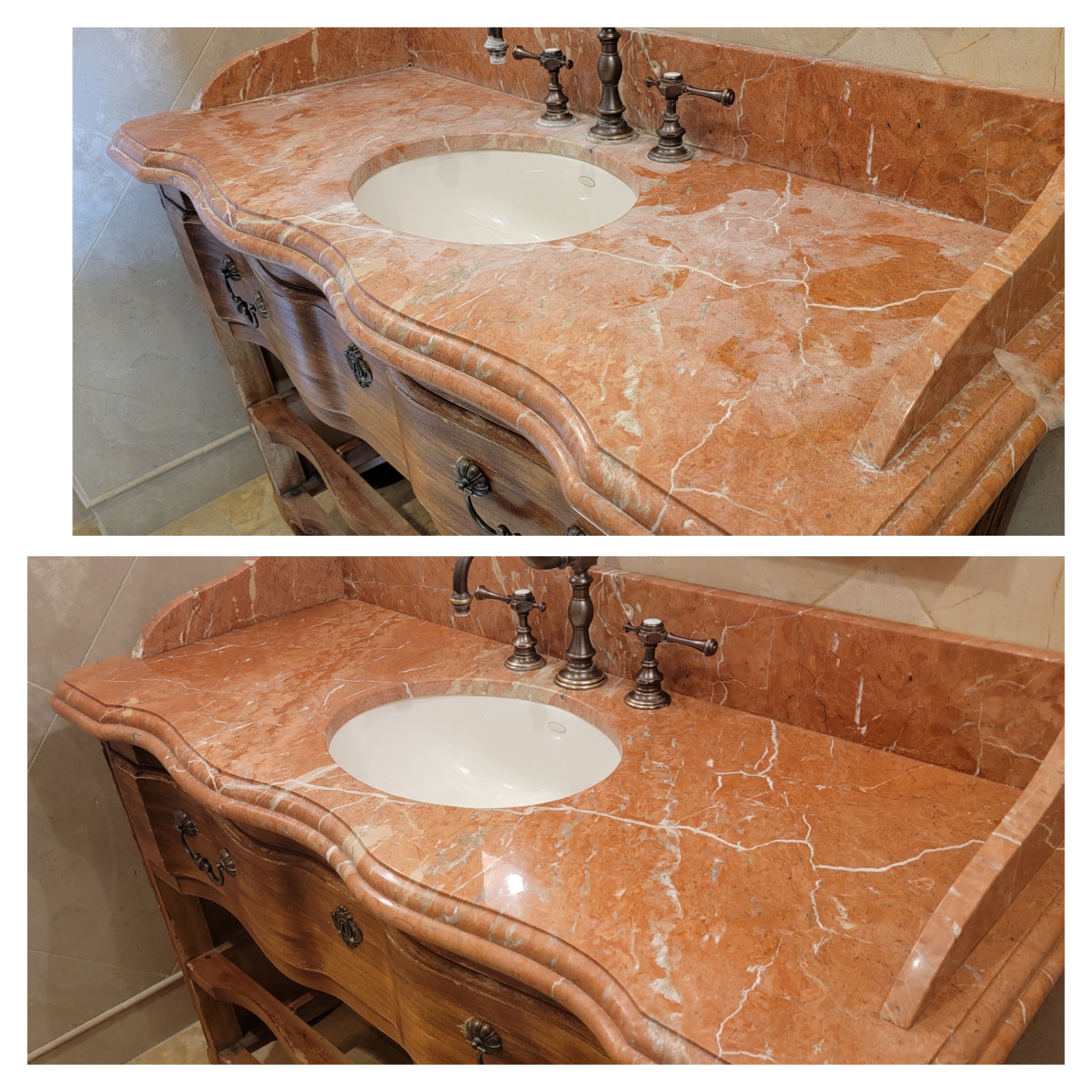
Why Stone Countertops Need Sealing
Natural stone is porous. Even dense granites have microscopic pores that absorb liquids. Without sealing, cooking oils, wine, coffee, and Arizona's mineral-heavy water penetrate the surface and cause permanent staining.
How Arizona Conditions Affect Countertop Sealers
- Hard water leaves mineral deposits that build up on sealed and unsealed surfaces
- Low humidity causes sealers to cure faster, sometimes too fast for even application
- Kitchen heat from cooking accelerates sealer breakdown around stovetops
- UV light through kitchen windows degrades some sealer types
- Frequent use of acidic cleaners to remove hard water strips sealer
Sealing Schedule by Stone Type
Not all stone needs the same sealing frequency. Dense stones like most granites may only need sealing every 2-3 years. Porous stones like marble, limestone, and some light-colored granites need sealing every 6-12 months in Arizona kitchens.
The Water Drop Test
Place a tablespoon of water on your countertop and wait 10 minutes. If the water beads and stays on the surface, your sealer is working. If it soaks in and darkens the stone, your countertop needs resealing. Test in multiple spots, especially near the sink and stove.
The area around your kitchen sink fails sealer tests first because constant water exposure and cleaning product contact break down sealer faster than other areas. If your sink area fails the water test, reseal the entire countertop.
Professional vs. DIY Countertop Sealing
DIY sealing works well for maintenance if you use the right products and technique. The key mistakes to avoid: applying too much sealer (causes haze), not buffing off excess, using the wrong sealer type for your stone, and sealing over dirty or stained surfaces.
When to Call a Professional
- Stone has existing stains that need extraction before sealing
- Marble has etch marks that need polishing before sealing
- You are unsure of your stone type and which sealer to use
- Previous sealer application left haze or streaks
- Countertops have never been professionally sealed