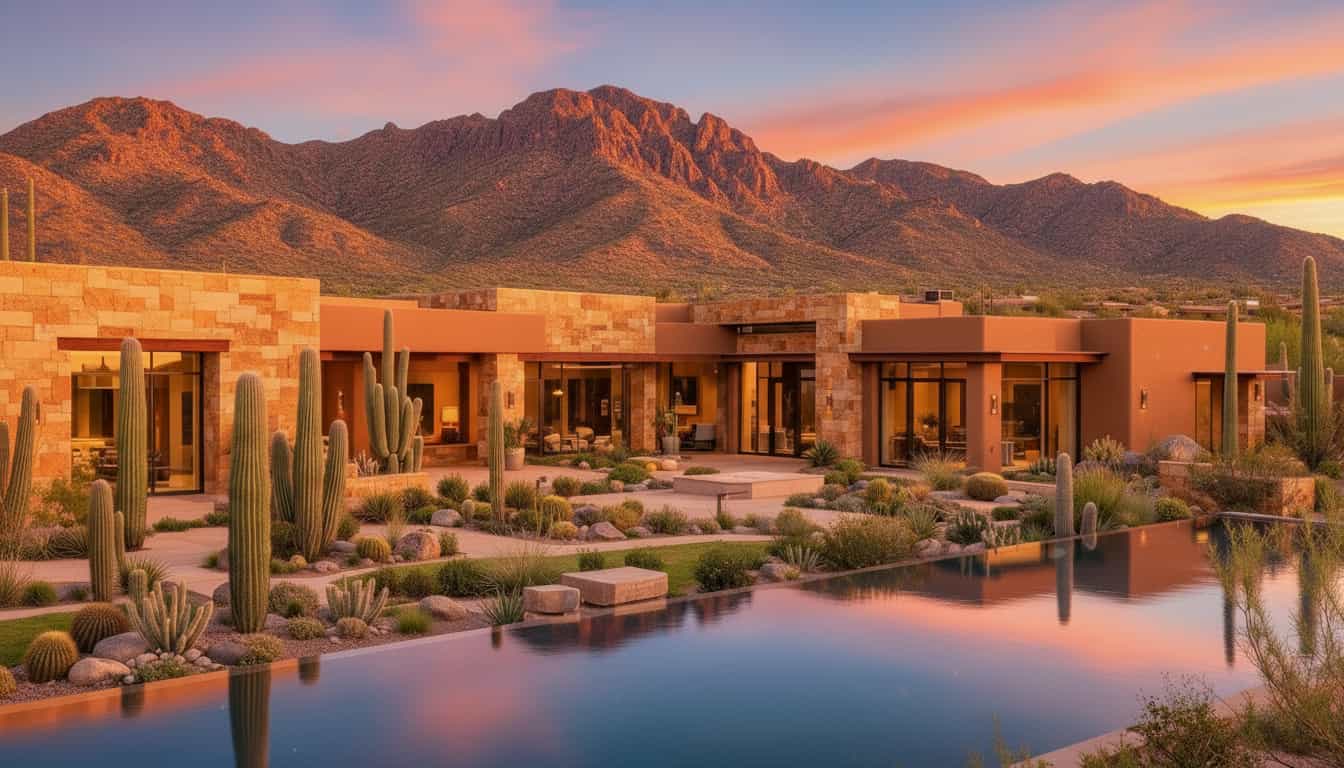
Every year, thousands of Arizona homeowners deal with slip-and-fall injuries on wet tile surfaces. Pool decks, bathrooms, entryways after monsoon storms, and even kitchen floors become dangerously slippery when wet. Anti-slip treatments exist, but not all of them work. Here is the honest guide.
Why Arizona Homes Have a Slippery Tile Problem
- Polished travertine and marble are extremely popular but dangerously smooth when wet
- Pool decks see constant water from swimming and splash-out
- Monsoon rain creates wet entryways on polished tile
- Hard water mineral deposits can make textured tile smoother over time
- Bathrooms with polished stone floors become ice rinks when wet
Types of Anti-Slip Treatments
Chemical Etching Treatments
Chemical treatments create microscopic channels in the tile surface that increase grip when wet. They do not change the dry appearance or feel of the tile. This is the most popular professional solution and works on natural stone, porcelain, and ceramic tile.
Coating-Based Treatments
Some products apply a textured coating over the tile surface. While initially effective, these coatings often peel, yellow, or wear unevenly in Arizona's extreme conditions. We generally do not recommend coating-based treatments for outdoor applications.
The DCOF (Dynamic Coefficient of Friction) rating measures slip resistance. Wet areas should have a minimum DCOF of 0.42. Professional anti-slip treatments can increase DCOF from 0.20 (dangerously slippery) to 0.60 or higher.
Where Anti-Slip Treatment Matters Most
- Pool decks and splash zones (highest injury risk)
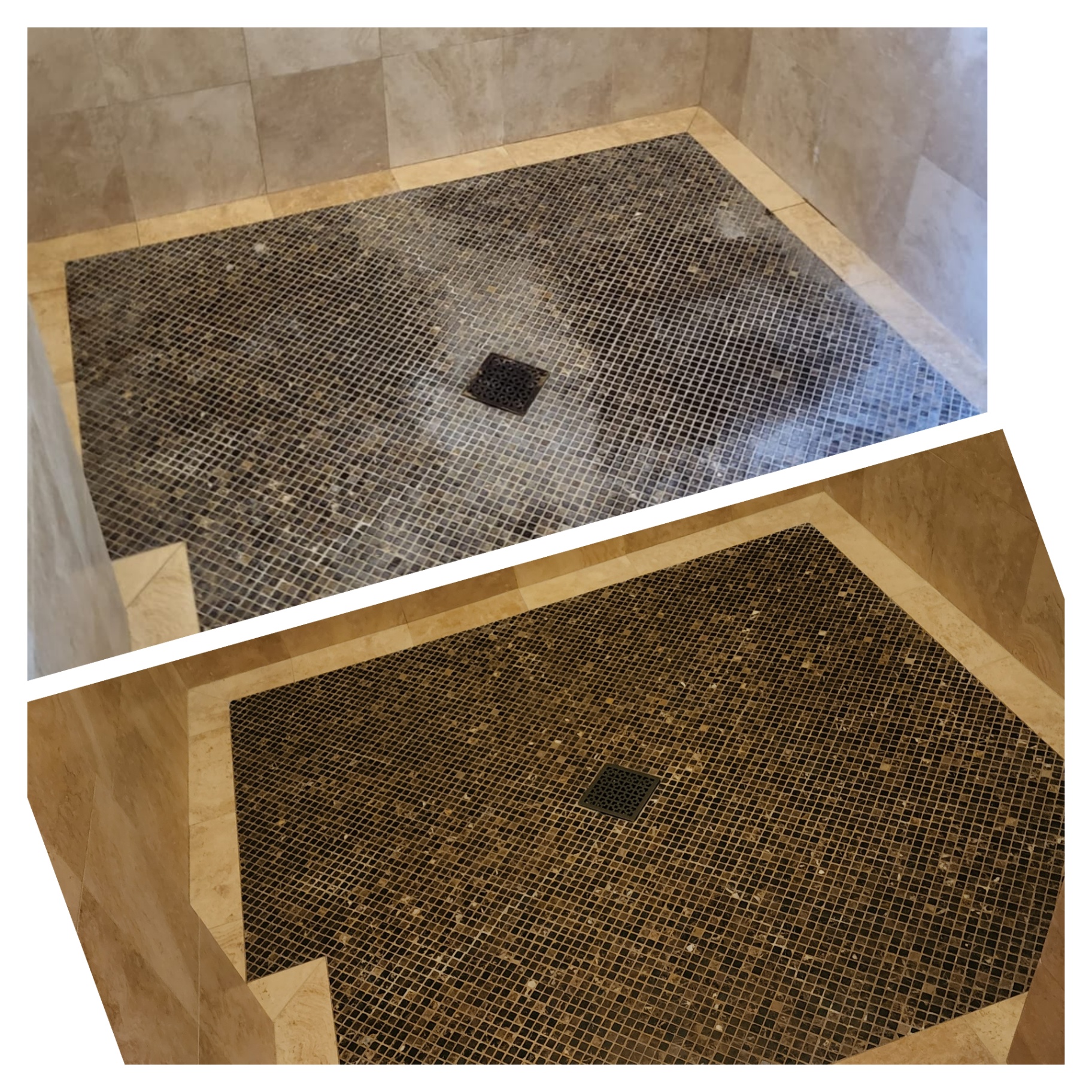
- Shower floors, especially walk-in showers without a step
- Bathroom floors near tubs and showers
- Entryways that get wet during monsoon season
- Commercial lobby and restroom floors (liability concerns)
- Kitchen floors near sinks and dishwashers
How Long Do Anti-Slip Treatments Last?
Professional chemical anti-slip treatments typically last 3-5 years on interior surfaces and 2-3 years on exterior pool decks and patios. Longevity depends on traffic volume, cleaning methods, and whether the treated surface is properly maintained with pH-neutral cleaners.